The Art of 2D Character Design for Kids: Creativity Meets Child Psychology

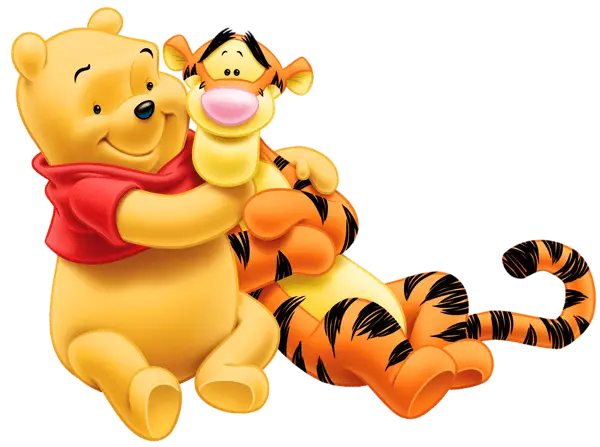
Ask a kid to draw their favourite cartoon character, and they will usually draw one with big eyes, bright colours, and simple shapes. It is because they instinctively recognise such features, as it makes them feel emotionally connected. The great 2D character design for kids is a blend of creativity, psychology, and storytelling strategy. From expressive eyes and shape language to movement and colour, every detail influences how children bond with animated characters. For studios, creators, brands exploring children’s animation character design, and even parents curious about the craft behind memorable cartoons, understanding these design choices reveals why some characters stay with children for years.
Why 2D Animation Still Reigns in Kids’ Content
Though there are significant advances in CGI and immersive visual technology, 2D animation for kids remains one of the most popular and effective formats in children’s entertainment. This enduring popularity is not simply a matter of nostalgia. It is deeply connected to how young children perceive, process, and respond to visual information. Studies reflect that most of the children, who are below the age of eight, respond more effectively to flat, high-contrast imagery because their brains are still developing advanced depth perception and visual filtering abilities. Clean outlines, exaggerated facial features, and simplified backgrounds help children identify emotions faster and remain engaged for longer periods. This emotional readability is one of the reasons behind the ongoing superiority of 2D animation in children’s content. Further, from a production standpoint, 2D animation also offers studios greater creative flexibility. Artists can experiment with exaggerated motion, imaginative worlds, and unique artistic styles with lower rendering costs than other formats.
The Psychology Behind Kid-Friendly Character Design
An impactful 2D character design for kids is deeply connected to how children understand emotions, faces, and social interaction during early cognitive development. According to developmental psychology, especially Piaget’s stages of cognitive development, young children process visual information differently from adults. During the preoperational stage, typically between ages two and seven, children rely heavily on symbols, facial expressions, and exaggerated visual cues to understand emotions and intentions.
Overly realistic designs can sometimes create a disinterest in kids. This connects to the concept often referred to as the “uncanny valley.” Characters that appear almost human but not entirely natural may feel unsettling or emotionally confusing to children. In contrast, simpler 2D designs feel safer, friendlier, and easier to trust. Additionally, toddlers generally respond better to ultra-simple shapes, bold colour contrast, and minimal visual clutter because their attention spans and visual processing abilities are still developing
Core Principles of 2D Character Design
Every successful 2D animation for kids follows a set of principles that result in animation efficiency and long-term brand recognition. Here are the major principles of 2D character design.
- Silhouette Readability: Children identify shapes faster than fine details. Since a strong character design should remain instantly recognisable even when viewed as a completely solid black silhouette. From a production perspective, clear silhouettes also improve animation readability and reduce confusion during action-heavy scenes. Strong silhouettes also strengthen brand recall, making characters easier to identify in merchandise, thumbnails, educational materials, and marketing assets.
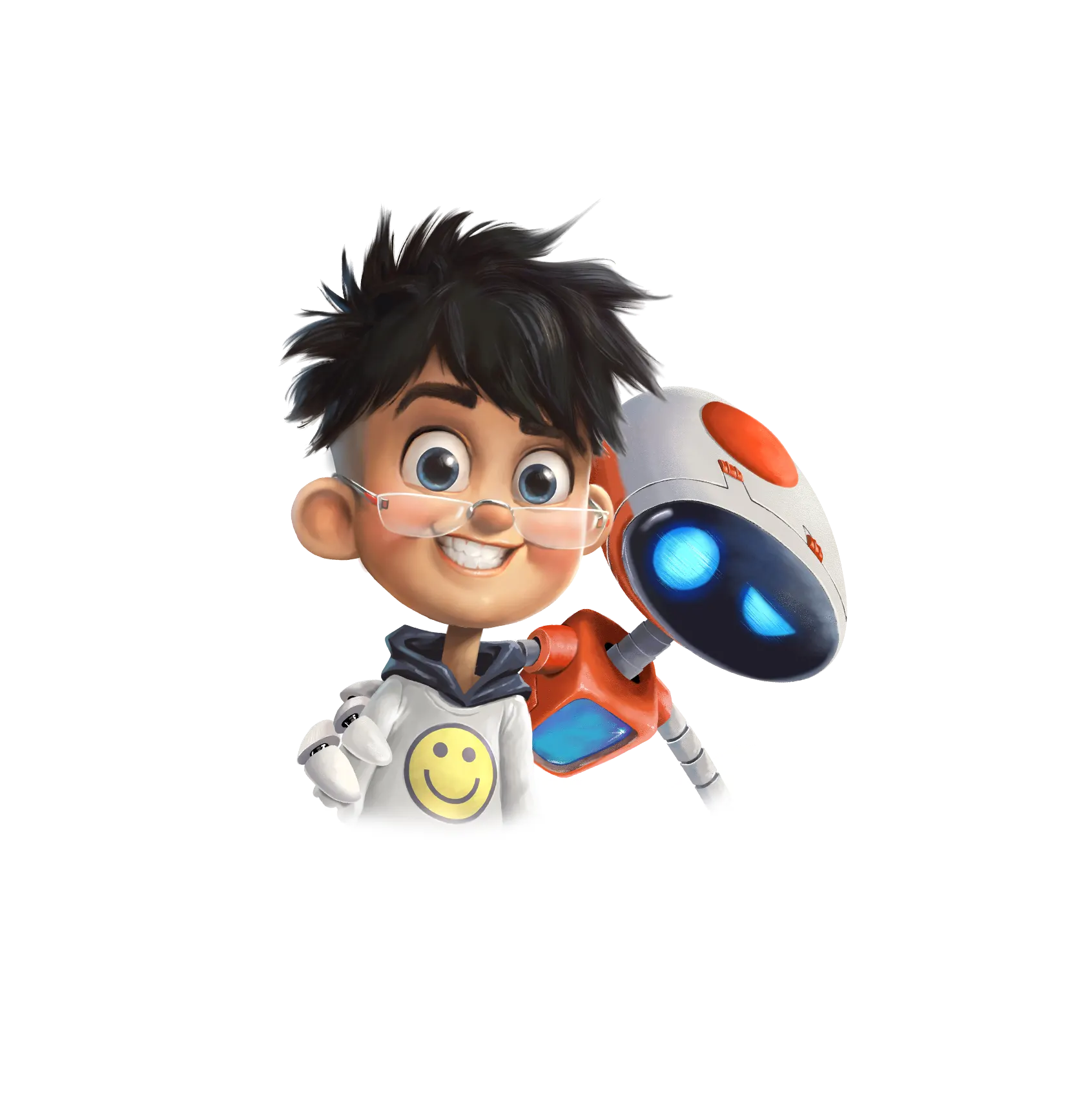
- Proportional Exaggeration: Many successful 2D character designs for kids use large heads, oversized eyes, small bodies, and rounded facial features. They are rooted in children’s emotional response as proportions that resemble infant facial structures trigger feelings of safety, trust, and emotional warmth. In addition, Simplified anatomy is easier to animate consistently across multiple scenes, reducing production complexity while allowing greater expressive flexibility.
- Consistency and Flexibility: An effective character design must remain visually consistent from every angle while still being flexible enough to express a wide emotional range. It should also allow animators to exaggerate emotions clearly without breaking the character’s identity.
- Colour as identity: Colour plays a major role in character recognition for young audiences. Many iconic children’s characters are associated with a single dominant colour palette because children remember colour before detail. In short, distinctive colour palettes help characters stand out instantly and strengthen emotional familiarity.
The Anatomy of an Unforgettable Character

In children’s animation character design, first impressions happen incredibly fast. Many animators and visual storytellers work around what is often called the “three-second rule” – the idea that a child decides whether they feel emotionally connected, curious, comforted, or entertained by a character within the first few seconds of seeing them.
Several factors make children instantly connect with the animation, including eyes, expression, and hooks.
- Shape: In the character design for kids’ content, basic geometric forms communicate personality traits before a character even moves or speaks. Typically, circular shapes feel soft, friendly, safe, and approachable. Squares communicate stability, reliability, and strength. Triangles often suggest danger, unpredictability, or mischief. This is why heroes in kids’ animation often feature rounded silhouettes and softer proportions, while villains or chaotic characters use sharper angles and pointed forms.
- Eyes: Eyes are often the first feature children focus on because they carry emotional information faster than any other facial detail. Large irises, flexible pupils, expressive eyebrows, and bright white highlights all help create the illusion of inner thought and emotional presence. Small adjustments in eyelids or brow position can completely change how a child interprets a character’s feelings.
- Hook: In character design, a hook is one instantly recognisable visual or behavioural trait that children immediately associate with the character. Sometimes the hook is physical, like pointed ears or a gap-toothed smile. In other cases, the hook may be behavioural, such as a recurring facial expression, pose, laugh, or movement style.
2D Animation for Kids: Simplicity and Clarity
The most effective 2D character designs for kids are intentionally simplified because simple designs move better and express emotion more clearly. Simpler geometry allows animators to push expressions further without breaking the character model, which ultimately makes performances feel more energetic and emotionally engaging for children. In addition to that, the design should be familiar enough to connect with and fantastical enough to spark imagination. Cultural representation and relatability also play an important role. Children connect more naturally with characters, families, and environments that reflect a wider range of identities and experiences.
2D Character Design: A Strong Production Asset
Well-structured character systems improve workflow efficiency, reduce production errors, strengthen brand consistency, and increase long-term intellectual property value. When characters are designed with precise visual rules, animation teams spend less time correcting off-model scenes or adjusting inconsistent expressions across episodes. Structured design guides also help distributed teams maintain visual consistency across storyboards, rigging, animation, compositing, and marketing assets. Over large-scale productions, this consistency helps studios maintain both creative quality and production timelines more effectively.
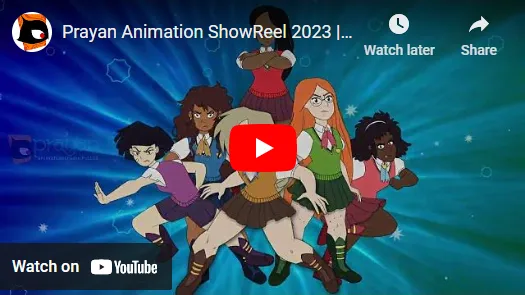
At Prayan Animation Studio, 2D character design is approached as the strategic foundation of every animation project, combining emotional storytelling, production efficiency, and long-term brand scalability to create characters built for both audience connection and sustainable growth. From early concept development to final production-ready character systems, the studio focuses on creating visually memorable characters that support storytelling, animation performance, and long-term brand identity.
The Future of 2D Character Design in Kids’ Content
For years, many believed CGI and hyper-realistic visuals would eventually replace 2D animation. But 2D character design became more valuable as streaming platforms expanded. The arrival of Modern technologies could speed up the production process, but the core craft with creativity remains unchanged. Children still connect with characters through intentional design choices, expression, and personality. As platforms like Netflix, Disney+, and YouTube continue to expand their collections of original children’s content, distinctive character design has become essential for capturing attention and building lasting audience connections.
Building Characters Kids Remember
Great 2D character design for kids is never just about appearance. It is where visual storytelling, child psychology, emotional clarity, and design strategy come together to create characters children instantly recognise and remember. In kids’ animation, every visual choice shapes emotional connection. At Prayan Animation Studio, thoughtful storytelling and production-focused design come together through specialised 2D animation services built for modern audiences. Ultimately, for studios, creators, and brands developing meaningful kids content, strong character design remains one of the most valuable places to begin.
Looking to develop kids’ content that needs memorable and emotionally engaging characters?
Schedule a consultation with Prayan Animation Studio for specialised 2D character design services.






 We can help you.