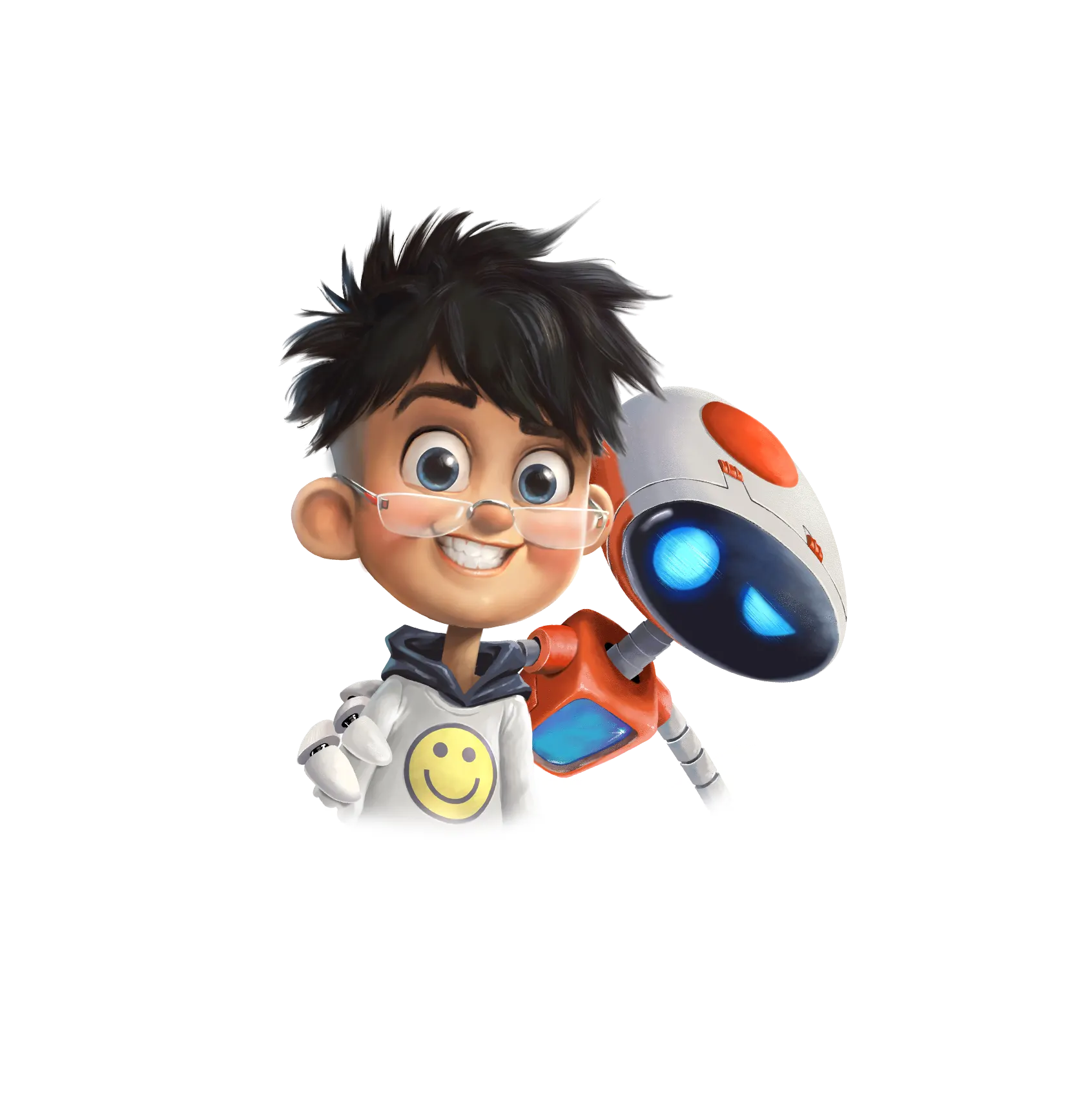

In today’s fast-paced world, where attention spans are decreasing, and students are exposed to an abundance of digital media, educators are continually seeking innovative methods to engage their students and enhance the learning experience. One such powerful tool is animation. Animation in education has proven to be an effective way to captivate students’ imagination, foster creativity, and facilitate understanding of complex concepts. In this blog, we will explore the role of animation in education and provide educators with some practical tips and tricks to make the most of this dynamic teaching tool.
Bringing Complex Concepts to Life
One of the primary benefits of animation in education is its ability to simplify complex concepts. Abstract and challenging topics, such as scientific processes, historical events, or mathematical formulas, can be made more accessible and visually engaging through animations. By presenting these concepts in a fun and interactive way, educators can ensure better comprehension and retention among their students.
Tip: Create short animated videos that break complex concepts into easily digestible chunks. Use colorful visuals, narration, and on-screen text to reinforce key points and keep students engaged throughout the lesson.
Enhancing Visual Learning
Not all students learn best through traditional teaching methods, such as lectures or written materials. Visual learners, in particular, benefit greatly from animations as it allows them to see and understand information in a way that suits their learning style. Animations can help reinforce verbal explanations and create a multi-sensory learning experience.
Tip: Integrate animations into your lesson plans to cater to different learning styles. Provide a variety of resources, such as animated videos, infographics, and interactive simulations, to appeal to both visual and auditory learners.
Sparking Creativity and Imagination
Animation can be a powerful tool to spark creativity and imagination in the classroom. When students are exposed to animated stories or scenarios, they are encouraged to think outside the box and develop their own ideas and narratives. It can also be a gateway for students to create their animations, fostering a sense of ownership over their learning.
Tip: Encourage students to create animated projects to explore a particular topic or demonstrate their understanding of a subject. Offer them various animation tools and platforms to experiment with, allowing them to express their creativity freely.
Making Learning Fun and Engaging
The incorporation of animation into the learning process adds an element of entertainment that can significantly increase student engagement. When students are genuinely interested and invested in the material, they are more likely to participate actively in class discussions and retain the information.
Tip: Use animated characters or mascots to create a friendly and approachable learning environment. Gamify lessons with animated quizzes, interactive challenges, and reward systems to make learning enjoyable and motivate students to excel.
Adapting to Different Age Groups
Animation is versatile and can be adapted to suit learners of all ages. From kindergarten to higher education, animated content can be tailored to cater to the specific needs and interests of each age group. Younger students may respond well to colorful and playful animations, while older students might appreciate more sophisticated visual presentations.
Tip: Consider the age and maturity level of your students when creating or selecting animated content. Use age-appropriate language and themes to ensure the material resonates with your audience.
Conclusion
The uses of animation in education go beyond mere entertainment; it has become a valuable tool for educators to enhance the learning experience, engage students, and promote a deeper understanding of complex concepts. By integrating animation into their teaching methods, educators can create a stimulating and interactive learning environment that caters to various learning styles and fosters creativity.
As technology continues to advance, animation is expected to play an even more significant role in the future of education. Educators who embrace this powerful tool and incorporate it effectively into their teaching strategies will undoubtedly unlock new possibilities for student engagement and achievement in the classroom. So, why not add a touch of animation to your lesson plans and watch your students thrive in their educational journey?







 We can help you.