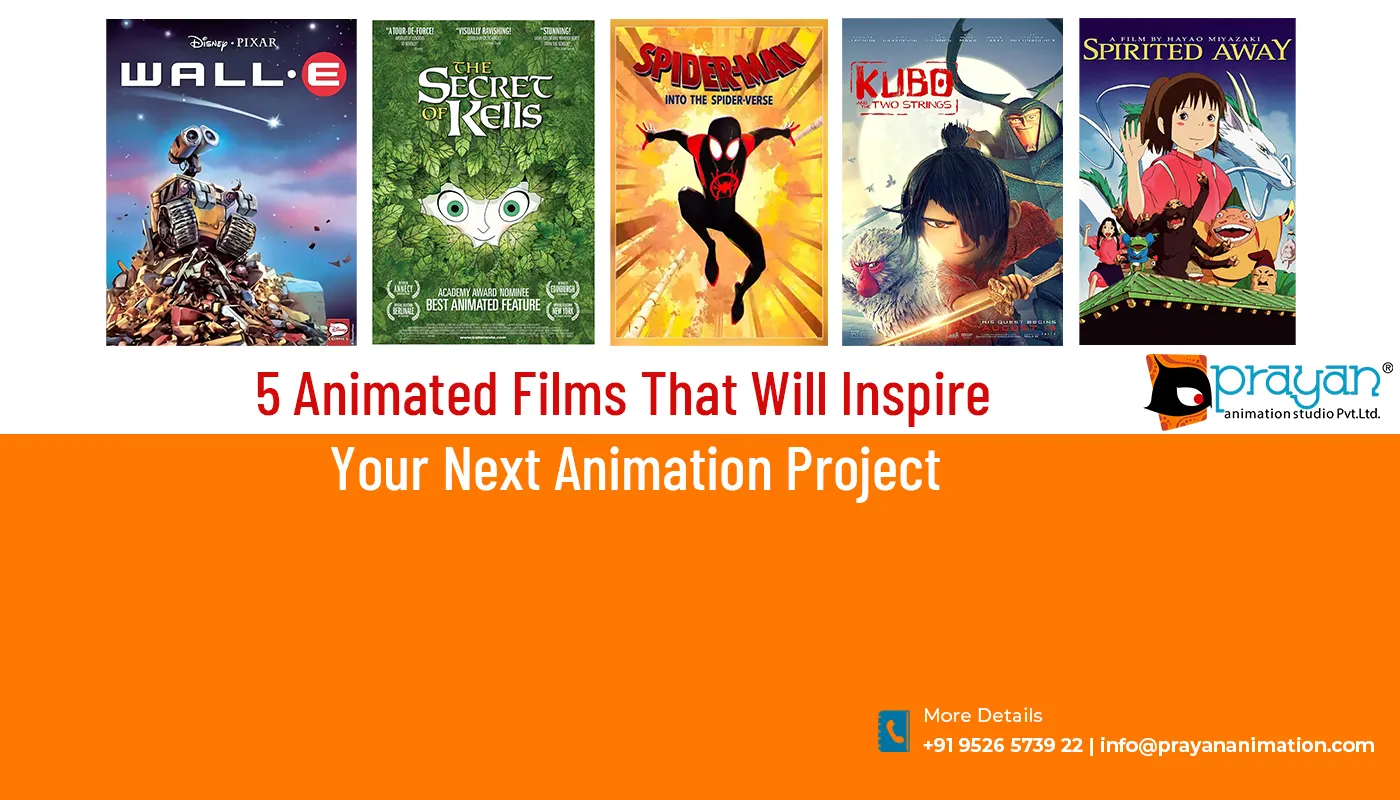
5 Animated Films That Will Inspire Your Next Animation Project

5 Animated Films that will inspire you

Animated movies have always captivated audiences with their creativity, storytelling prowess, and technical brilliance. Whether you are a seasoned animator or just starting on your animation journey, drawing inspiration from successful animated films can be a great way to fuel your next project. In this blog, we will explore five animated films that stand out for their innovation, emotional depth, and artistic excellence, which are sure to inspire and elevate your next animation venture.

“Spirited Away” (2001) – Directed by Hayao Miyazaki

“Spirited Away” is an iconic masterpiece from Studio Ghibli and the acclaimed director Hayao Miyazaki. This fantastical tale follows the adventures of Chihiro, a young girl who becomes trapped in a mysterious and magical world. The film beautifully weaves a coming-of-age narrative with themes of courage, resilience, and friendship.

What makes “Spirited Away” inspiring is its breathtaking animation, attention to detail, and unique character designs. The film embraces traditional hand-drawn animation, reminding us of the timeless beauty of this art form. It is a testament to how animation can transport viewers to imaginative realms and evoke powerful emotions through its visual storytelling.
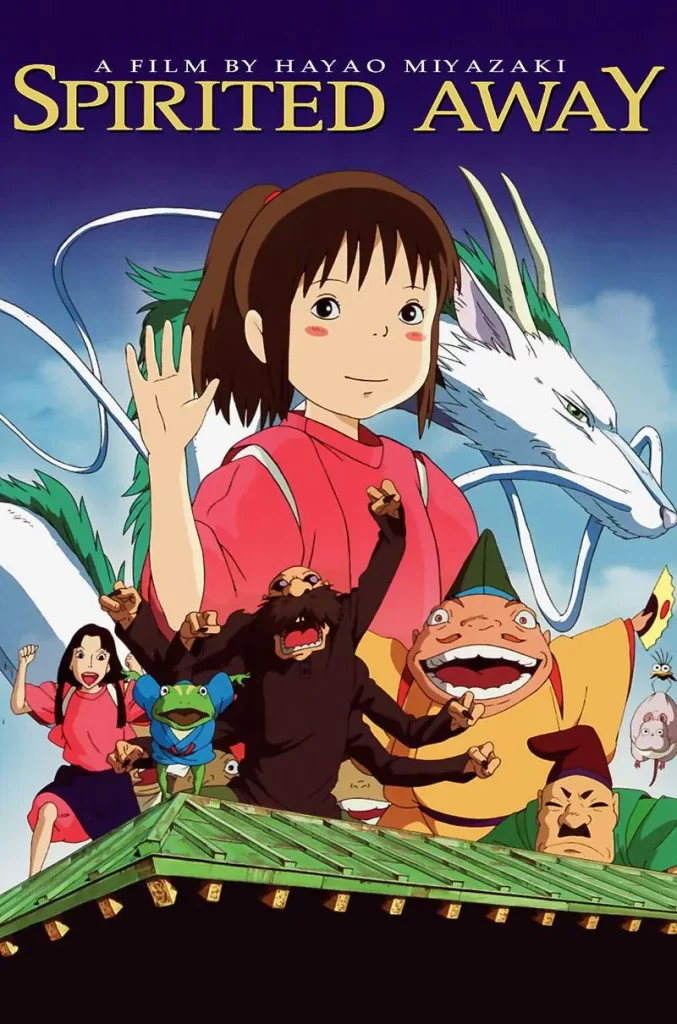
Spirited Away, A great animation movie

“Wall-E” (2008) – Directed by Andrew Stanton

Pixar’s “Wall-E” is a striking example of how animation can convey profound messages without relying heavily on dialogue. The film tells the story of a lonely robot tasked with cleaning a post-apocalyptic Earth. As Wall-E embarks on an unexpected adventure, the film touches on themes of environmentalism, consumerism, and the power of love.

The animation in “Wall-E” is a blend of remarkable 3D animation and hand-drawn aesthetics, creating a unique and visually stunning world. The film demonstrates the importance of using animation techniques to convey complex emotions and social commentary, making it a must-watch for aspiring animators.
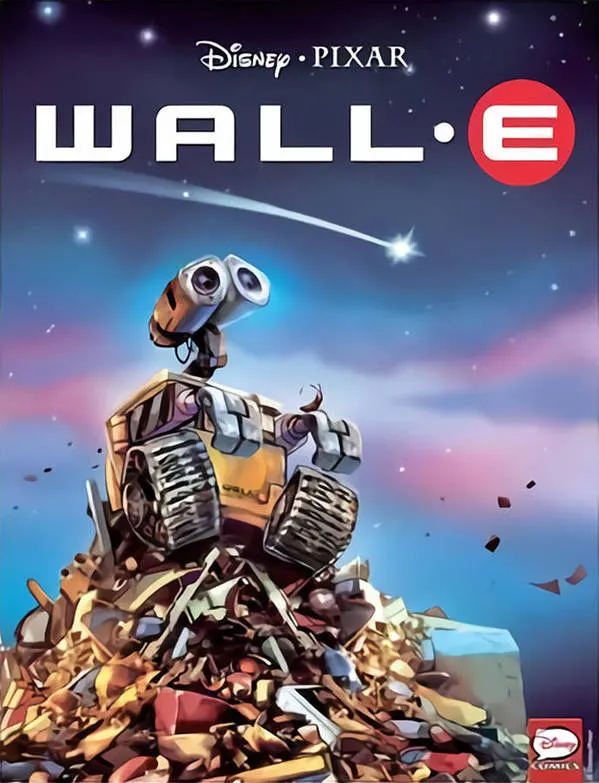
Wall E, A famous animation movie by Disney, Pixar

“The Secret of Kells” (2009) – Directed by Tomm Moore

“The Secret of Kells” is a visually mesmerizing Irish animated film that draws inspiration from Celtic mythology and art. The movie follows young Brendan’s journey as he helps complete the Book of Kells, a famous medieval illuminated manuscript.

This film stands out for its distinctive art style, which incorporates intricate patterns and symbols, beautifully brought to life through hand-drawn animation. It showcases the power of animation to preserve cultural heritage and traditions while telling a captivating and heartwarming tale.
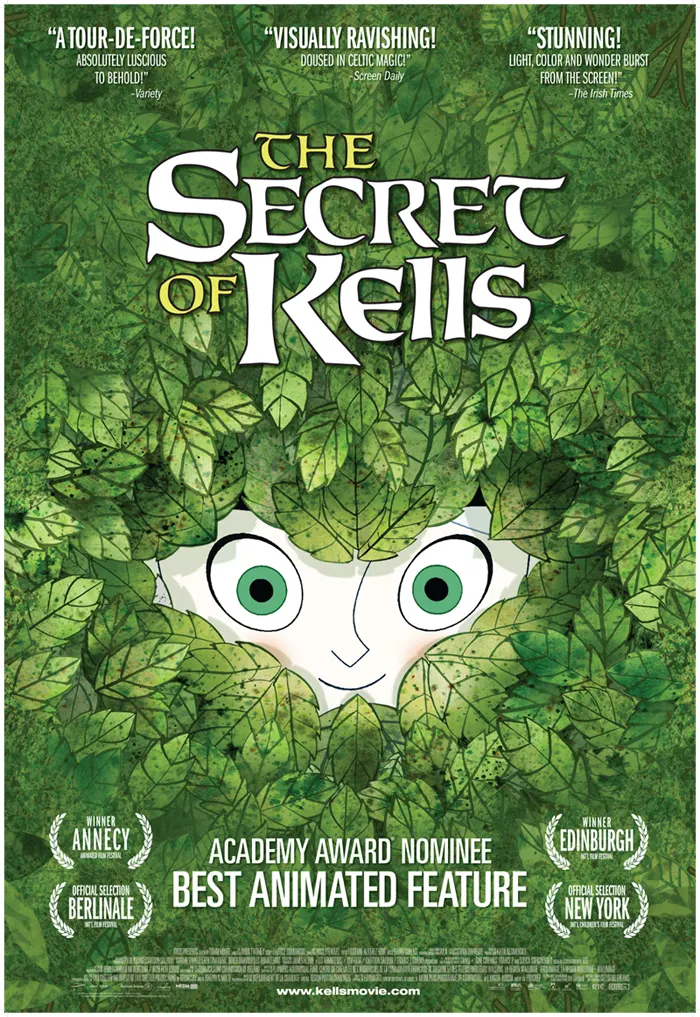
The Secret of Kells, An Irish Animated Film

“Spider-Man: Into the Spider-Verse” (2018) – Directed by Peter Ramsey, Rodney Rothman, and Bob Persichetti

“Spider-Man: Into the Spider-Verse” is a groundbreaking animated film that redefines the superhero genre. This visually stunning movie introduces multiple Spider-People from different dimensions, including the first Afro-Latino Spider-Man, Miles Morales.

The film’s revolutionary animation technique combines computer-generated imagery with hand-drawn comic book elements, creating a dynamic and immersive experience. “Spider-Man: Into the Spider-Verse” showcases the potential of animation to push boundaries, experiment with styles, and introduce fresh perspectives to well-established characters and stories.

Spider-Man into the Spider-Verse, A Superhero Animation Movie

“Kubo and the Two Strings” (2016) – Directed by Travis Knight

“Kubo and the Two Strings” is a stop-motion animated film that highlights the artistry and dedication required for this meticulous form of animation. The movie follows Kubo, a young boy with magical powers, on an epic quest to find his father’s armor and confront the forces of darkness.

This film is a testament to the power of stop-motion animation, showcasing its unique ability to create tangible and intricate worlds. The attention to detail in character design, puppetry, and set construction is awe-inspiring and proves that animation is a versatile medium capable of bringing any story to life.
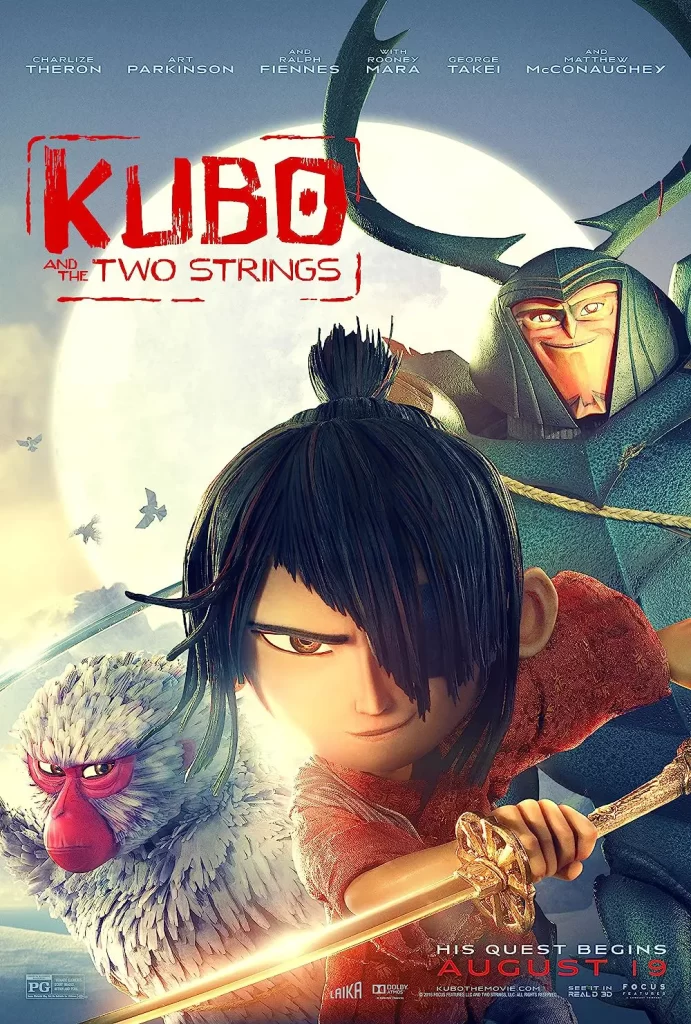
Kubo and the two strings 2016 animation movie

Conclusion:

Animated films continue to push creative boundaries and inspire both seasoned and aspiring animators. Each of these five films mentioned above showcases the power of animation to transport audiences to enchanting worlds, convey deep emotions, and tell compelling stories. Whether it’s through traditional hand-drawn animation, innovative computer-generated imagery, or intricate stop-motion techniques, these films demonstrate that animation is an art form with limitless potential. So, draw inspiration from these masterpieces and embark on your next animation project with passion, creativity, and a commitment to storytelling excellence.
How to Master Animation: The Ultimate Guide for Beginners

Master animation, guide for beginners

For many generations, animation has captivated audiences everywhere. This artistic medium has evolved and continues to inspire, from traditional hand-drawn animations to cutting-edge computer-generated works of art. You’ve come to the correct place if you’re a novice looking to explore the world of animation. With the help of this comprehensive tutorial, you may take the first steps on your path to becoming an animation master.

Recognize the Fundamentals

Spend time learning the basics of animation before going into the technical parts. Create awareness about the various forms of animation, including 2D, 3D, stop-motion, and motion graphics. To appreciate the many styles and approaches employed, watch a variety of animated films and television series.

Choose Your Animation Software

Animation software is the backbone of your journey as an animator. There are various options available, each with its own strengths and purposes. For 2D animation, consider software like Adobe Animate, Toon Boom Harmony, or OpenToonz. For 3D animation, popular choices include Autodesk Maya, Blender, and Cinema 4D. Start with user-friendly software that matches your needs and gradually explore more complex tools as you progress.

Master the Principles of Animation

To create compelling and lifelike animations, learn and practice the 12 principles of animation, as introduced by Disney animators Ollie Johnston and Frank Thomas. These principles include:

  1. Squash and Stretch: Gives the illusion of weight and flexibility to objects or characters.
  2. Anticipation: Prepares the audience for an action, making it more believable.
  3. Staging: Presents an idea or action clearly and distinctly.
  4. Straight Ahead Action and Pose to Pose: Two different approaches to animating movement.
  5. Follow Through and Overlapping Action: Ensures that different parts of a character move at different rates.
  6. Slow In and Slow Out: Adds more realism by gradually accelerating and decelerating an action.
  7. Arcs: Animate in smooth arcs for natural movement.
  8. Secondary Action: Adds depth and interest to the primary action.
  9. Timing: Determines the speed and pace of an action.
  10. Exaggeration: Enhances the appeal and expressiveness of characters and actions.
  11. Solid Drawing: Conveys a three-dimensional illusion on a two-dimensional surface.
  12. Appeal: Ensures that characters are visually appealing and captivating.

Start Simple, Practice Regularly

Begin with simple exercises to grasp the basics of animation. Create bouncing balls, pendulum swings, and basic character movements. Repetition is key to improving your skills, so practice regularly. Be patient with yourself; animation requires time and dedication to master.

Study Anatomy and Movement

Understanding anatomy is crucial for animating believable characters. Study the human and animal anatomy to give your creations a sense of realism. Observe how people and animals move in real life or by watching reference videos. This knowledge will enhance the fluidity and naturalness of your animations.

Join Animation Communities

Immerse yourself in the animation community by joining forums, and social media groups, and attending animation events or workshops. Sharing your work and receiving feedback from experienced animators can be incredibly beneficial. Collaborating with other animators can also lead to valuable insights and inspiration.

Learn from Online Resources

The internet is a treasure trove of animation tutorials and courses. Platforms like YouTube, Udemy, and Coursera offer a wide range of animation lessons for beginners and advanced learners alike. Take advantage of these resources to continuously expand your knowledge and skills.

Analyze and Deconstruct Animations

As you progress, analyze animations created by professionals in the industry. Break down scenes and movements to understand how they were crafted. Pay attention to pacing, timing, and the application of the animation principles. This practice will help you learn from the best and develop your unique style.

Build a Strong Portfolio

Create a portfolio showcasing your best animation works. Potential employers or clients will often judge your abilities based on your portfolio. Include a variety of animations to demonstrate your versatility and skills in different styles and techniques.

Embrace Feedback and Keep Improving

Finally, be open to feedback and critique. Constructive criticism is essential for growth as an animator. Embrace it with humility and use it to refine your work continually. Animation is a field where learning never truly ends, so remain curious, stay dedicated, and keep improving.

In conclusion, mastering animation is a journey that requires patience, passion, and perseverance. Armed with the right knowledge, tools, and a lot of practice, you can bring your imagination to life and create mesmerizing animations that captivate audiences worldwide. So, start animating, and let your creativity take flight!

How to Break into the Animation Industry: A Guide for Aspiring Animators

Break Into the Animation Industry, Guide for Animators

Breaking into the animation industry can be challenging, but with dedication, creativity, and persistence, you can turn your passion for animation into a successful career. Here is a step-by-step instruction manual to get you started.

Develop Your Skills:

Begin by mastering the fundamentals of animation. Study traditional art, drawing, and storytelling techniques. Familiarize yourself with industry-standard software such as Adobe Creative Suite (especially After Effects, Illustrator, and Photoshop) or other animation software like Toon Boom Harmony.

Create a Portfolio:

Build a strong and diverse portfolio showcasing your best animation work. Include a range of styles and techniques to demonstrate your versatility. Your portfolio could contain character animations, motion graphics, storyboards, and any other relevant work.

Educate Yourself:

Pursue formal education or take online courses and workshops to enhance your skills. Look for animation programs or degrees from reputable institutions or online platforms.

Networking and Connections:

Attend animation events, conferences, and workshops. Networking can help you meet industry professionals, potential mentors, and like-minded individuals. Engage with the animation community online through forums and social media platforms.

Internships and Entry-Level Jobs:

Consider applying for internships or entry-level positions at animation studios, production houses, or game development companies. Even if it’s an unpaid or low-paid opportunity, it can provide valuable experience and connections.

Collaborate on Projects:

Join or initiate animation projects with other aspiring artists. Collaboration allows you to learn from each other, share ideas, and build your network.

Personal Projects:

In addition to collaborating, work on your own passion projects. Creating short animated films or series can showcase your storytelling abilities and your dedication to seeing a project through from start to finish.

Be Open to Feedback:

Accept constructive criticism and use it to improve your work. Feedback from experienced animators can be invaluable in helping you grow as an artist.

Stay Updated:

Keep up with industry trends, software updates, and new animation techniques. Staying informed will give you a competitive edge in the job market.

Persistence and Perseverance:

Breaking into the animation industry can take time. Be prepared for rejection and setbacks, but don’t let them discourage you. Keep honing your skills, building your portfolio, and seeking opportunities.

Online Presence:

Create a professional online presence through a website or social media channels. Showcase your work and engage with the animation community to gain visibility.

Apply to Job Openings:

Regularly check job boards, animation company websites, and online forums for animation job openings. Tailor your applications to each opportunity and demonstrate how your skills align with the specific needs of the position.

Remember, success in the animation industry requires a combination of talent, hard work, and perseverance. Keep pushing yourself to improve and create, and eventually, you’ll find your place in the exciting world of animation.

Key Takeaways from MIPCOM 2023

Prayan at Mipcom 2023

MIPCOM 2023 has come to a positive conclusion, leaving attendees filled with optimism and great expectations. But what happens after this event?

If you’re in search of a platform for your completed content, MIPCOM is the ideal marketplace. It offers a unique opportunity to connect with content buyers from all over the world. Furthermore, you can establish relationships with post-production and localization teams that can assist in adapting your content for different languages. Even if you’re without a finished product, MIPCOM can facilitate connections with potential co-production partners. The event provides access to a diverse range of contacts, including buyers, co-producers, distributors, and broadcasters. The networking opportunities and exposure gained in this market are unparalleled.

For newcomers to MIPCOM, like Prayan, here are some key takeaways.

Networking:

Building new connections and expanding your network at MIPCOM is a fantastic experience. Meeting prospective clients in person adds credibility to your business that online meetings can’t match. It’s essential to maintain these connections through online communication and continuous follow-ups to make networking truly successful.

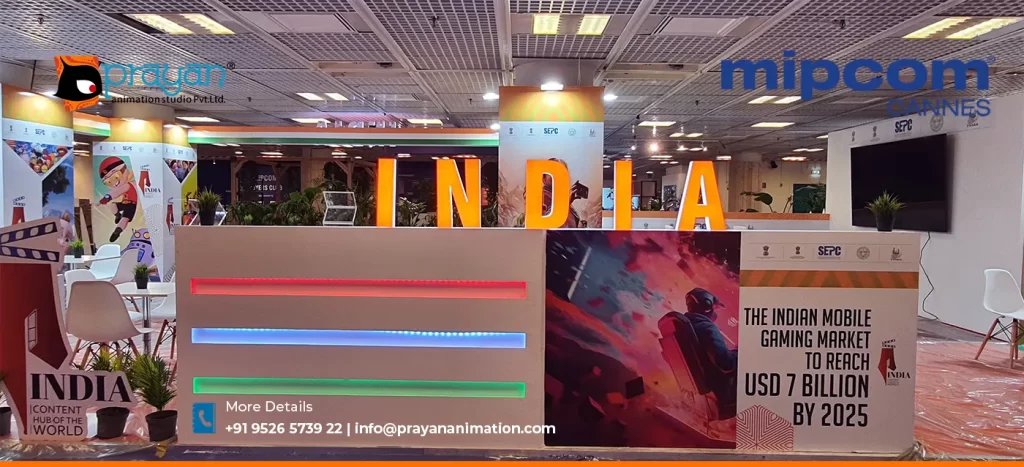
Prayan Animation Studio at Indian Pavilion attending Mipcom 2023

Advertisement:

Attending the event might not be enough to leave a lasting impression. Consider placing ads in magazines to reach a wider audience that you might have missed during the event. This can help reinforce your presence in the industry.

IP Pitching:

If you’re a content creator or buyer, MIPCOM is the place to be. Content owners can connect with buyers from around the world and pitch their intellectual properties (IPs). It’s a great opportunity to find potential buyers for various genres and gauge where your IP stands. When pitching your IPs, keep presentations concise and engaging. Supporting your pitch with short videos can leave a strong impression on viewers, sparking their curiosity and creativity.

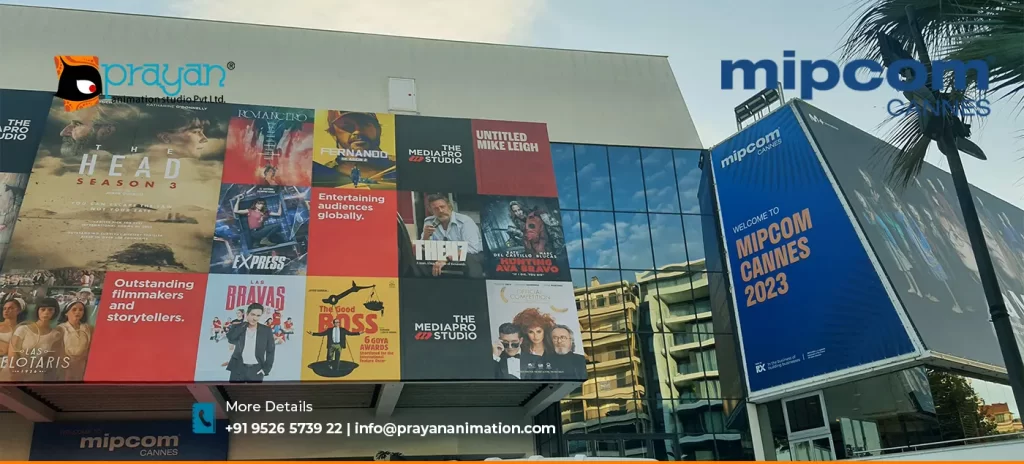
Mipcom 2023 Festival at Cannes

Meeting Minutes:

Keeping detailed notes of your meetings is crucial, especially when attending numerous meetings over the four days. These notes serve as a valuable reference, helping you recall discussions and facilitating effective post-event communication.

Service Pitching:

MIPCOM offers excellent visibility, particularly for service studios. Showcase your best work and highlight past client associations. Emphasize long-term relationships with repeat clients to boost your company’s credibility and provide strong references. When pitching your services, ensure you have a relevant portfolio or showreel to match the client’s needs.


We’ve gained valuable market insights through our participation in various conferences, panels, and sessions at MIPCOM. These insights will keep us well-informed about industry trends and guide our future business decisions.

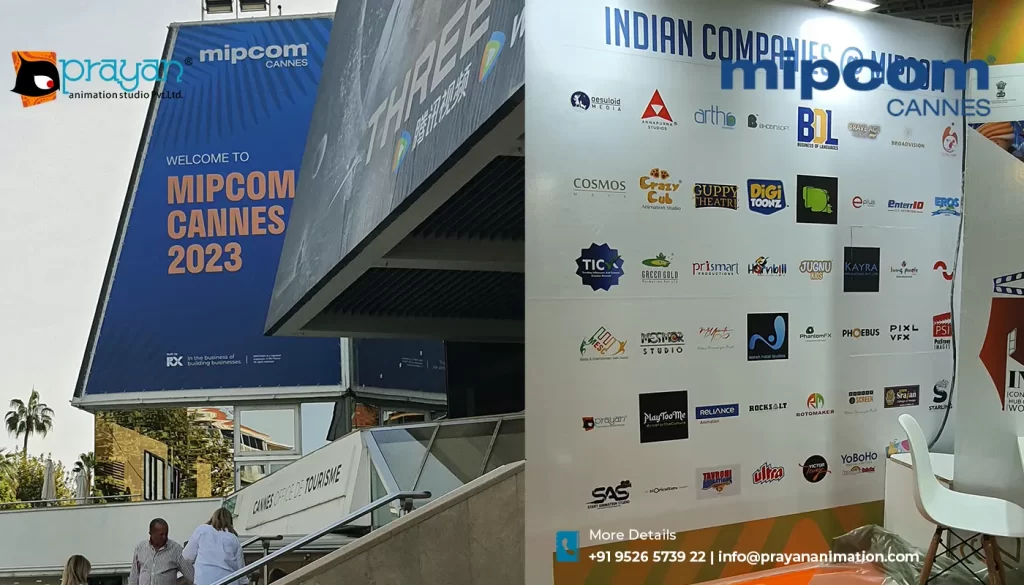
Indian Companies at Mipcom

MIPCOM also provides a great opportunity for companies to expand into international markets by securing distribution deals in regions they might not have accessed otherwise.

These insights come from our MIPCOM experience. We invite you to share your own experiences in the comments below, and don’t forget the key to success: follow-up!

As MIPCOM wraps up, let’s gather the knowledge and lessons we’ve gathered from the event and apply them to upcoming animation events. Kidscreen and ATF are just around the corner, and they hold even more potential. Stay tuned to our upcoming blogs for more details on the Kidscreen event and ATF.

Top Animation Trends for 2023: Emerging Technologies and AI

Top Animation Trends

The world of animation is constantly evolving, driven by technological advancements and creative innovation. As we step into 2023, we find ourselves at the crossroads of remarkable changes in the animation industry, with emerging technologies and artificial intelligence (AI) leading the charge. In this blog, we will explore the top animation trends that are shaping the landscape, revolutionizing the way animated content is created, consumed, and experienced.

Real-time Rendering and Ray Tracing

Gone are the days of long rendering times for high-quality animations. Real-time rendering, powered by powerful graphics cards and processors, allows animators to preview and render complex scenes instantaneously. Ray tracing technology further enhances visual fidelity by simulating the way light interacts with surfaces, resulting in realistic shadows, reflections, and refractions. This advancement enables animators to create stunning visuals with unprecedented speed and realism.

Virtual Production and Mixed Reality

Virtual production, a concept popularized by movies like “The Mandalorian,” has become a game-changer for animators. Combining physical sets with real-time CG environments, virtual production empowers creators to interact with animated elements in real time, revolutionizing the pre-visualization and production process. Mixed reality techniques seamlessly blend the virtual and real worlds, allowing actors and animators to collaborate in ways never seen before, resulting in dynamic and immersive storytelling experiences.

AI-driven Animation Tools

Artificial Intelligence has made significant strides in the animation industry, simplifying workflows and enhancing creativity. AI-driven animation tools leverage machine learning algorithms to automate tedious tasks, such as character animation, lip-syncing, and background generation. These tools enable animators to focus more on storytelling and character development, while AI handles the repetitive aspects, ultimately increasing productivity and reducing production timelines.

Deepfake Animation and Facial Animation

While deepfake technology has garnered both intrigue and controversy, it has found its way into the animation domain. Deepfake animation allows animators to manipulate the facial expressions and movements of characters with remarkable accuracy, significantly streamlining the animation process. This trend opens up new possibilities for creating lifelike characters and exploring alternative storytelling techniques.

Blockchain for Digital Rights Management

As the digital animation industry continues to grow, ensuring proper attribution and protection of intellectual property becomes crucial. Blockchain technology offers a decentralized and tamper-proof system for tracking ownership, distribution, and usage rights of animated content. This trend promotes transparency, eliminates copyright infringement concerns, and enables fair compensation for creators and animators.

Augmented Reality (AR) Animation

With the increasing popularity of AR technology, animated content is finding its way into the real world. AR animation brings characters and scenes to life within the physical environment, blurring the lines between the virtual and real worlds. From interactive storybooks to educational apps, AR animation enriches user experiences and engages audiences in novel ways.

Gamification of Animation

The integration of animation with gaming experiences is a trend gaining momentum in 2023. Animators are exploring ways to enhance gameplay through captivating storytelling and visually stunning animated sequences. This convergence of animation and gaming not only boosts player engagement but also enables developers to create deeper connections between gamers and the characters they control.

Conclusion

The animation industry is undergoing a remarkable transformation, driven by emerging technologies and AI. Real-time rendering, virtual production, and AI animation generator are revolutionizing the creation process, making it more efficient and realistic than ever before. Deepfake animation and blockchain technology are redefining storytelling and intellectual property protection, while AR animation and gamification are reshaping how animated content is consumed and experienced.

As we venture further into 2023, it’s evident that the future of animation holds endless possibilities. The integration of emerging technologies and AI is not only empowering animators but also elevating the way audiences engage with and immerse themselves in animated worlds. Whether it’s through breathtaking visual effects or interactive AR experiences, the animation industry is at the forefront of pushing boundaries and paving the way for a new era of animated storytelling.

How Animation Stories Make Us Feel: The Science of Emotional Connection

Animation Stories Emotional Connection

Animation stories, whether it is 2D animation or 3D animation, have a unique ability to evoke powerful emotions and create deep emotional connections with audiences. Several key factors contribute to this phenomenon, supported by the science of emotional connection. Let’s explore some of these elements:

Character Development and Empathy:

Animation allows storytellers to create diverse and relatable characters that resonate with viewers. As the characters undergo challenges, growth, and emotional arcs, audiences become emotionally invested in their journeys. This connection is strengthened through the development of empathy, where viewers put themselves in the character’s shoes and experience their emotions vicariously.

Visual Stimulation and Engagement:

Animation provides a visually rich and immersive experience. The use of vibrant colors, expressive facial features, and dynamic movements can capture the audience’s attention and trigger emotional responses. Different animation styles also evoke specific emotions; for example, cute and charming character designs can elicit feelings of warmth and affection.

Storytelling and Narratives:

A well-crafted story with strong emotional themes can profoundly impact viewers. Emotional storytelling often involves exploring universal human experiences, such as love, loss, friendship, or personal growth. Such narratives resonate with a broad audience, fostering a sense of shared emotional experiences.

Music and Sound Design:

The emotional impact of animation stories is heightened by the thoughtful use of music and sound effects. Music can influence the mood and atmosphere of a scene, evoke specific emotions, and enhance the overall emotional connection with the audience.

Escapism and Catharsis:

Animation allows viewers to escape from reality and enter fantastical worlds where they can temporarily disconnect from their everyday concerns. Through this escapism, animation provides an avenue for emotional catharsis, where audiences can release pent-up emotions and find solace or relief in the stories they experience.

Nostalgia and Childhood Associations:

For many viewers, animation is associated with cherished childhood memories and experiences. Revisiting animated stories can evoke feelings of nostalgia, triggering positive emotions and a sense of comfort and familiarity.

Symbolism and Metaphors:

Animators often use symbolism and metaphors to convey complex emotions and ideas. These artistic choices allow viewers to interpret the story on multiple levels, fostering a deeper emotional connection as they engage with the underlying themes.

Social and Cultural Influences:

Animation stories can reflect and address social and cultural issues, which can deeply resonate with audiences who identify with those themes. When an animated story tackles relevant and impactful topics, it can evoke strong emotions in viewers who feel connected to the subject matter.

Overall, the science of emotional connection in animation stories is a combination of artistic creativity and an understanding of human psychology. By employing these elements effectively, animators can create narratives that not only entertain but also evoke profound emotions and leave a lasting impact on their audiences.

The Role of Animation in Education: Tips and Tricks for Educators

Role of Animation in Education

In today’s fast-paced world, where attention spans are decreasing, and students are exposed to an abundance of digital media, educators are continually seeking innovative methods to engage their students and enhance the learning experience. One such powerful tool is animation. Animation in education has proven to be an effective way to captivate students’ imagination, foster creativity, and facilitate understanding of complex concepts. In this blog, we will explore the role of animation in education and provide educators with some practical tips and tricks to make the most of this dynamic teaching tool.

Bringing Complex Concepts to Life

One of the primary benefits of animation in education is its ability to simplify complex concepts. Abstract and challenging topics, such as scientific processes, historical events, or mathematical formulas, can be made more accessible and visually engaging through animations. By presenting these concepts in a fun and interactive way, educators can ensure better comprehension and retention among their students.

Tip: Create short animated videos that break complex concepts into easily digestible chunks. Use colorful visuals, narration, and on-screen text to reinforce key points and keep students engaged throughout the lesson.

Enhancing Visual Learning

Not all students learn best through traditional teaching methods, such as lectures or written materials. Visual learners, in particular, benefit greatly from animations as it allows them to see and understand information in a way that suits their learning style. Animations can help reinforce verbal explanations and create a multi-sensory learning experience.

Tip: Integrate animations into your lesson plans to cater to different learning styles. Provide a variety of resources, such as animated videos, infographics, and interactive simulations, to appeal to both visual and auditory learners.

Sparking Creativity and Imagination

Animation can be a powerful tool to spark creativity and imagination in the classroom. When students are exposed to animated stories or scenarios, they are encouraged to think outside the box and develop their own ideas and narratives. It can also be a gateway for students to create their animations, fostering a sense of ownership over their learning.

Tip: Encourage students to create animated projects to explore a particular topic or demonstrate their understanding of a subject. Offer them various animation tools and platforms to experiment with, allowing them to express their creativity freely.

Making Learning Fun and Engaging

The incorporation of animation into the learning process adds an element of entertainment that can significantly increase student engagement. When students are genuinely interested and invested in the material, they are more likely to participate actively in class discussions and retain the information.

Tip: Use animated characters or mascots to create a friendly and approachable learning environment. Gamify lessons with animated quizzes, interactive challenges, and reward systems to make learning enjoyable and motivate students to excel.

Adapting to Different Age Groups

Animation is versatile and can be adapted to suit learners of all ages. From kindergarten to higher education, animated content can be tailored to cater to the specific needs and interests of each age group. Younger students may respond well to colorful and playful animations, while older students might appreciate more sophisticated visual presentations.

Tip: Consider the age and maturity level of your students when creating or selecting animated content. Use age-appropriate language and themes to ensure the material resonates with your audience.

Conclusion

The uses of animation in education go beyond mere entertainment; it has become a valuable tool for educators to enhance the learning experience, engage students, and promote a deeper understanding of complex concepts. By integrating animation into their teaching methods, educators can create a stimulating and interactive learning environment that caters to various learning styles and fosters creativity.

As technology continues to advance, animation is expected to play an even more significant role in the future of education. Educators who embrace this powerful tool and incorporate it effectively into their teaching strategies will undoubtedly unlock new possibilities for student engagement and achievement in the classroom. So, why not add a touch of animation to your lesson plans and watch your students thrive in their educational journey?

How to Make Your Animation Pitch Connect with Buyers

Animation Pitch Connect

In the competitive world of animation, creating a compelling pitch that connects with buyers is a critical step in getting your project off the ground. Whether you’re a seasoned animator or an aspiring creator, mastering the art of pitching can be the key to turning your creative vision into a successful and lucrative animation venture. In this blog, we’ll explore some essential tips and strategies to help you craft a pitch that resonates with buyers and increases your chances of securing the funding and support needed to bring your animated masterpiece to life.

Know Your Audience:

One of the most crucial aspects of a successful animation pitch is understanding your target audience. Buyers are looking for projects that align with their brand or network and have the potential to attract viewers. Research the buyer’s portfolio and past acquisitions to identify their preferences and content requirements. Tailor your pitch to match their interests while staying true to your unique artistic vision.

Start with a Strong Concept:

A captivating concept is the heart of any great animation pitch. Your idea should be fresh, original, and possess that “wow” factor that sets it apart from the rest. It should be easily explainable and evoke emotions in the listener. Whether it’s a compelling storyline, unique characters, or a fresh visual style, ensure that your concept is both innovative and marketable.

Keep it Concise:

In the fast-paced world of pitching, brevity is key. Keep your pitch focused, concise, and well-structured. Avoid overwhelming buyers with unnecessary details or lengthy explanations. Prepare a concise logline and a brief synopsis that highlights the main plot, characters, and key selling points.

Showcase Your Unique Selling Points:

What makes your animation stand out? Highlight your project’s unique selling points, such as groundbreaking animation techniques, original character designs, or a strong thematic message. Explain how your animation addresses a specific need or untapped market, giving buyers a clear reason to invest in your project.

Visual Aids:

Visual aids are powerful tools to convey your animation’s style and potential. Include concept art, character sketches, storyboards, and mood boards to help buyers visualize your vision. A well-crafted visual presentation can leave a lasting impression and provide buyers with a glimpse of the animation’s aesthetic and atmosphere.

Demonstrate Market Research:

Buyers are interested in projects that have the potential to succeed in the market. Present evidence of market research that supports the demand for your animation concept. Share statistics, trends, or examples of successful animation projects that cater to a similar audience.

Know Your Budget:

Understand the financial aspect of your animation project. Be prepared to discuss the estimated budget and how you plan to utilize the funds. Buyers want to know that their investment will be used wisely and efficiently.

Be Passionate:

Passion is contagious, and buyers are more likely to invest in projects that are fueled by genuine enthusiasm. Let your passion for your animation shine through during the pitch. A heartfelt presentation can make a significant impact on the decision-making process.

Conclusion:

Crafting a pitch that’s worth connecting buyers to is a crucial skill for any animation creator or studio. By understanding your audience, presenting a strong concept, keeping your pitch concise, showcasing unique selling points, utilizing visual aids, providing market research, and demonstrating a passion for your project, you can significantly increase your chances of securing funding and support for your animation venture. Remember, a successful pitch not only sells your idea but also builds valuable relationships within the animation industry, paving the way for future collaborations and opportunities. So, go forth and pitch your animation with confidence, knowing that you have the tools to captivate and win over potential buyers. Good luck!

MIPCOM Registration: Step-by-Step Process

Mipcom Registration

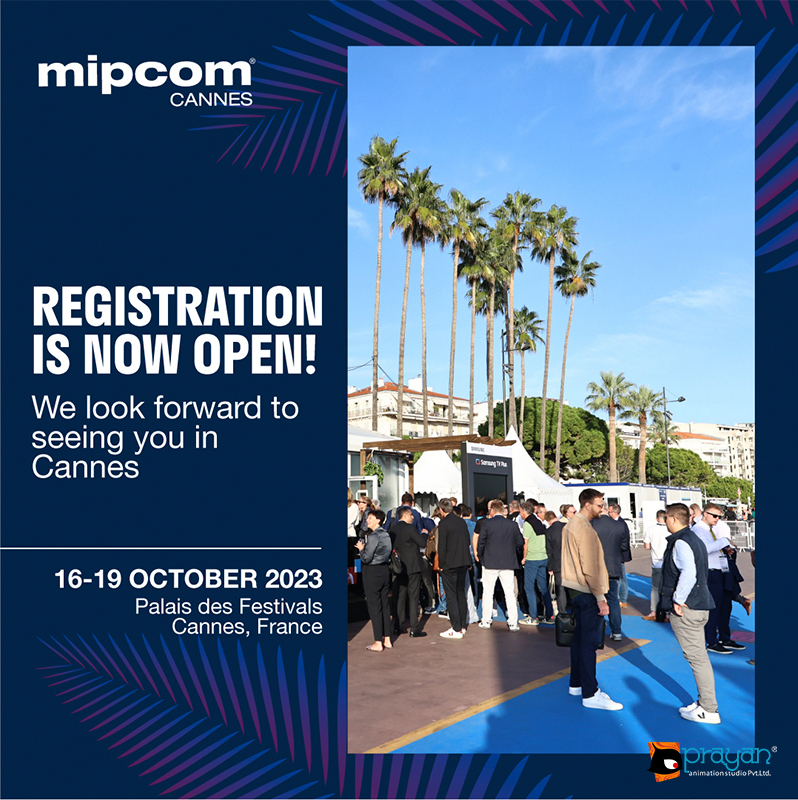
MIPCOM is the world’s largest content market for television, digital, and content. It is conducted annually at Cannes, France, and brings over 13,000 professionals from different parts of the world. If you intend to attend MIPCOM 2023 from October 16-19, this blog will walk you through the registration process step-by-step, assuring you a quick and easy experience.

Step 1: Go to the MIPCOM website.

Visit the official MIPCOM website to start the registration procedure. You may simply discover it by putting www.mipcom.com into your web browser or using a search engine.

Step 2: Explore the Registration Section

Once you’re on the MIPCOM website, navigate to the registration section. Look for a prominent button or tab that says “Registration” or something similar. Click on it to proceed to the registration page.

Step 3: Select the type of registration that you need.

There are two types of registration:

  1. Visitor: This is for individuals who are interested in attending MIPCOM to learn about new content and connect with industry professionals.
  2. Buyer: This is for companies or buyers who are looking to buy content or for co-production

Depending on your professional function and needs, select the best meets your needs.

Step 4: Submit Your Personal Data

Enter all of your personal information on the registration form, including your complete name, email address, company name, position title, and contact details. Make sure to give proper information because it will be used for badge creation and formal communication.

Step 5: Additional Attendee information

If you are registering multiple attendees from the same company, you may need to provide additional information for each participant. This might include their names, email addresses, job titles, and other relevant details. Follow the instructions provided on the registration form to add multiple attendees, if necessary.

Step 6: Choose Your Badge Type

Select the type of badge you require for MIPCOM 2023. Options typically include the Full Access badge, which grants access to all conference sessions, screenings, and networking events, or the Buyer badge, designed specifically for those looking to acquire content. Consider your needs and budget when making this selection.

Step 7: Review and Confirm Your Registration

Before finalizing your registration, carefully review all the information you’ve provided. Double-check for any errors or omissions, as this information will be used for your official MIPCOM badge. If everything appears accurate, confirm your registration.

Step 8: Payment

Once your registration is confirmed, you will be directed to the payment page. MIPCOM registration fees vary based on the badge type, registration period, and any additional services you may choose. Follow the instructions to make the payment securely through the provided payment gateway.

Step 9: Receive Confirmation and Receipt

Once your payment is processed, you will receive a confirmation email with your registration details and a receipt for your records. Keep this confirmation email safe as it may be required for on-site registration and badge pickup during the event.

Step 10: Plan Your MIPCOM Experience

With your registration successfully completed, it’s time to plan your participation at MIPCOM 2023. Explore the event schedule, conference sessions, screenings, networking opportunities, and any special events taking place. Create a personalized agenda to make the most of your time at the event.

Conclusion: Registering for MIPCOM 2023 is a straightforward process that begins with visiting the official MIPCOM website. By following the step-by-step process outlined in this blog, you can secure your participation, gain access to valuable industry insights, and explore countless opportunities for collaboration and growth in the world’s premier entertainment content market.

Image source: MIPCOM Website & Social Media

Offer your project to Prayan team.

Let's talk

chat We can help you.

  • chat1
    Hi
  • chat2
    Please select an option below to indicate the services you would like to hire from us!
  • chat3
  • Select Option
  • chat4
    Thank you for choosing {{selection_results}}.
    Kindly specify below if any particular requirement needed on this!
  • chat5
  • chat6

{{final_results}}
If you ever have any questions that require immediate assistance, Please call us or contact through Whatsapp +91 952 657 3922
Skype ID: prayananimation

chat loading
getaquote
Quote
loading
loading