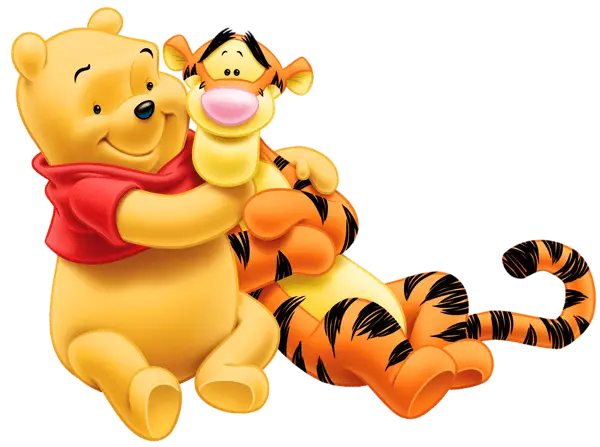
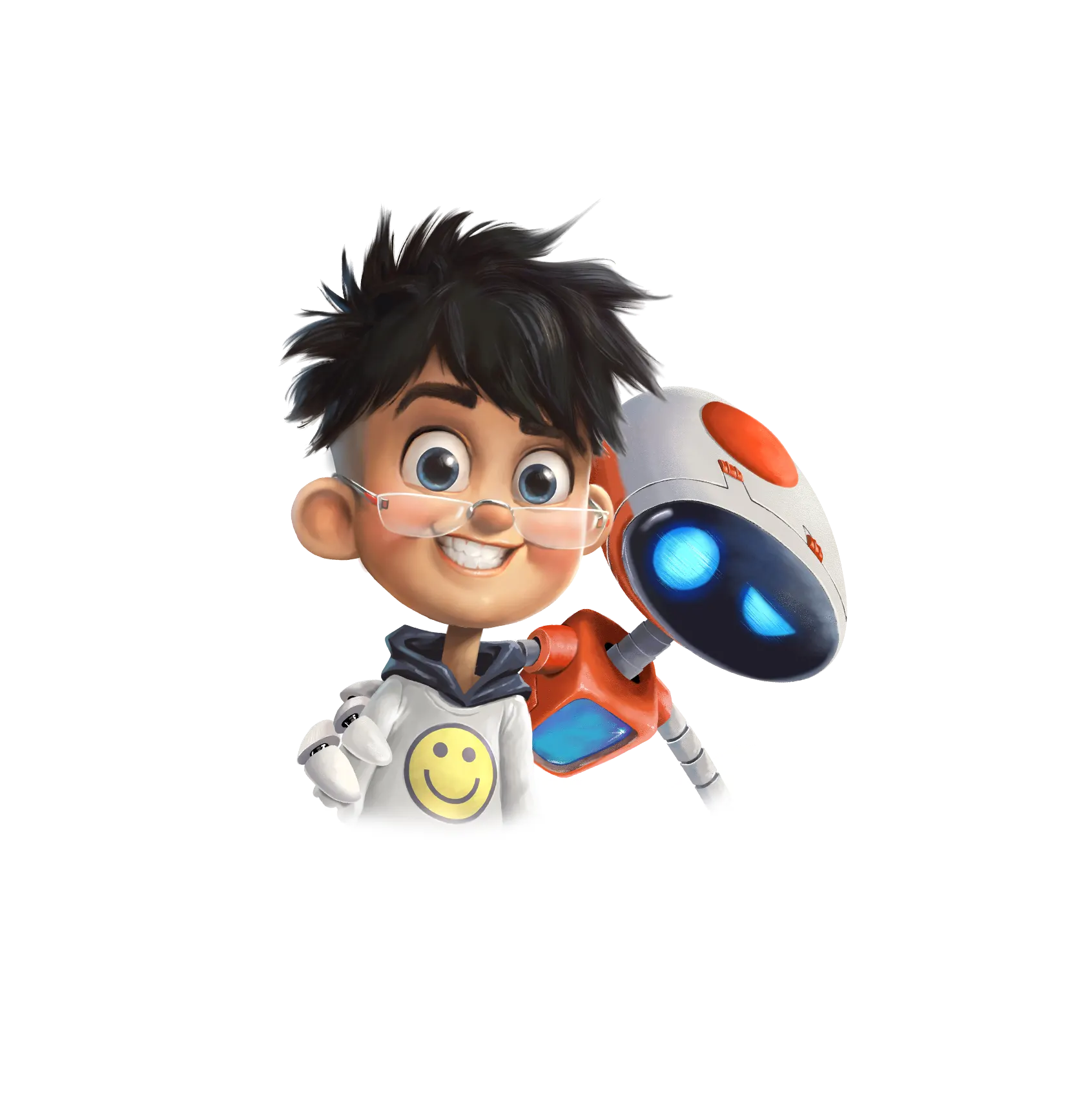
When sharing a story, you can’t say enough about how important representation is. Stories are built around characters, who affect how people connect with and care about a story. The call for diverse and welcoming character design is not just a trend in animation; it’s a must in today’s world. Making characters that reflect the complex world we live in and connect with people of all social, racial, and national backgrounds is what it’s all about.
Using different types of characters
Creating diverse personalities is more than just giving them different looks. Showing a range of countries, racialities, genders, abilities, and identities is an important part of capturing the fullness of human experiences. Animation Characters that are like the people you know in real life are more approachable and viewers can see themselves in the stories.
What Representation Means
Representation is important. People feel like they fit in and are being accepted when they see characters in cartoons or animated movies that look like them or people from their community. This removes stereotypes, clears up misunderstandings, and increases the number of points of view. Not only is it about making up characters but also about giving people whose stories have been ignored or skewed a chance to be told.
Possible Problems and Duties
It’s clear that diversity in character creation is important in animation, but it can be hard to do. To make characters that are truly diverse, you need to study, understand, and work with people from different backgrounds. It’s their duty to show variety in a respectful way, without using stereotypes or as a show.
How to Make Characters That Are Different
Research and Advice: Talk to people in groups or with experts who are connected to the character you’re developing. To make accurate representations, you need to understand subtleties and cultural details.
Don’t use stereotypes; characters should have more than one side to them, so stay away from clichés and overused tropes. Accept that their characters, looks, and backgrounds are all different and complicated.
In inclusive storytelling, make sure that people from different backgrounds are important to the story and aren’t just there to be different. Let their stories add something important to the story.
Celebrate Differences: Drawing attention to differences can be a strength. Accept and enjoy the differences in people’s traits, situations, and points of view.
Characters as Forces for Change
Making characters that are different from each other isn’t just an artistic choice; it’s also a way to help change the world. By showing a range of situations, it helps people understand, accept, and feel empathy for others. It lets in new stories, points of view, and discussions that can help make society more accepting and caring.
In conclusion
Diversity isn’t a choice in the world of character creation in animation; it’s a must. Making characters that truly reflect the diversity of our world is a strong way to connect with people on a deeper level and promote understanding and acceptance. Each character that was made with variety in mind makes the world of storytelling more interesting and thought-provoking.
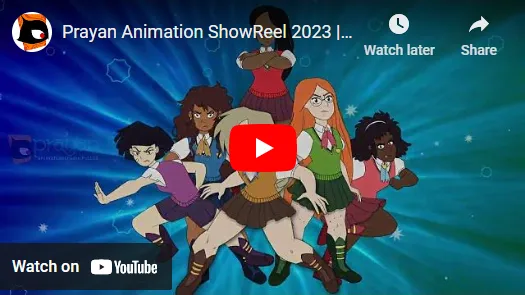
Let’s keep supporting people from different backgrounds who speak to the world and encourage good change. Click on the link to view the diverse characters created by the artists at Prayan Animation Studio.
It takes imagination to the limit in the fast-paced field of animation, so showcasing your intellectual property (IP) well is essential to making your visions come to life. The competition is intense as we enter 2023-24, and a strong pitch is more important than ever. Let’s examine the dos and don’ts related to IP presentations and how they can work or fail.
The Do’s:
1. Tell an Engaging Story:
Make sure your presentation opens with a compelling story that draws in viewers. Prove your animation’s originality by telling an engaging tale. Make an emotional connection with your audience so that they are left with a lasting impression.
2. Visualise Your Vision:
Make your thoughts come to life by using images. Utilise character designs, storyboards, and concept art to create a clear and compelling image of your animation. A compelling presentation that captures the spirit of your intellectual property (IP) can communicate your vision more effectively than words alone.
3. Know Your Audience:
Adapt your presentation to your target audience’s tastes and areas of interest. Demonstrating the commercial attractiveness of your animation requires an understanding of the demographics and preferences of potential viewers or investors.
4. Emphasise Your IP’s Unique Selling Points:
Determine what makes your IP stand out from the competition. Whether your IP is a distinctive animation style, cutting-edge technology, or inventive storytelling, highlighting these aspects will help it stand out in a crowded market.
5. Highlight Market Potential:
Provide information and analysis that backs up your animation’s commercial viability. This could include success stories from related ventures, the popularity of a given genre, or trends in the demographics. Potential partners or investors will feel more confident if you have a thorough awareness of the market.
6. Show Scalability:
Describe how your intellectual property can go beyond the original idea. Long-term interest and investment can be drawn in by demonstrating the scalability of your animation, whether it be through products, spin-offs, or cross-platform interaction.
The Don’ts:
1. Refrain from Overcomplicating:
Although specifics are important, don’t overburden your audience with detail. Make sure the essential components of your IP are obvious and simple to understand by keeping your presentation focused and brief.
2. Avoid general Pitches:
Avoid giving in to the urge to make a vague, general pitch. Adapt your presentation to your own intellectual property (IP), steering clear of cliches and popular motifs that could overshadow the originality of your animation.
3. Never Undervalue the Power of Preparation:
The significance of meticulous preparation should never be overlooked. Practice your pitch several times to make sure you deliver it confidently and smoothly. Your presentation’s credibility could be weakened by a lack of preparation.
4. Don’t Ignore Feedback:
Keep an open mind and be prepared to modify your presentation in response to helpful critiques. Ignoring criticism might result in lost chances for development and enhancement.
5. Don’t Ignore Legal Protection:
Take legal issues into account to safeguard your intellectual property. If you don’t have the correct trademarks and copyrights, your animation may be violated, which could be detrimental to its commercial success.
6. Avoid Ambiguity:
It’s important to be clear. Steer clear of confusing statements and unclear terminology that could confuse your audience. Your audience will grasp the core of your intellectual property (IP) if you deliver it in a clear and succinct manner.
In the dynamic world of animation, having a strong intellectual property presentation is essential to realizing your aspirations. By adhering to these dos and don’ts, you can confidently handle the difficulties of presenting your animation, guaranteeing that your distinct idea enthralls viewers and garners the backing it merits in 2023-24 and beyond.
Understanding and serving a variety of regional audiences is essential to the success of your intellectual property (IP) in the animation industry. Every region has unique market dynamics, preferences, and cultural quirks. Take into account the following tactics in order to market your animation intellectual property (IP) in various regions:
1. Cultural Sensitivity:
Appreciate and acknowledge cultural diversity. Make your animation unique so that it speaks to the customs and values of each locality. Character design, narrative themes, and cultural allusions are a few examples of this. Cultural awareness helps you stay out of trouble while also making your intellectual property more appealing.
2. Localised Marketing Campaigns:
Create marketing strategies tailored to the unique needs of each area. This entails using platforms that are well-liked in each location, modifying advertising tactics, and translating promotional materials. A focused strategy makes your animation more visible and builds a stronger bond with the regional audience.
3. Language Adaptation:
Make a quality investment in your animation’s language adaptation. Adding subtitles, dubbing, or even re-recording dialogue in local languages can help you reach a far wider audience. Providing information in the language that the audience speaks improves accessibility and strengthens the bond.
4. Investigate Regional Trends:
Keep up with local animation fads and tastes. It’s possible that what works in one place won’t appeal to another. To customize your intellectual property (IP) to the unique needs and preferences of each target market, conduct in-depth market research.
5. Work with Local Talent:
To give your IP authenticity, collaborate with regional writers, illustrators, and animators. An animated film that is more sophisticated and enticing can benefit from having a varied staff with an understanding of many cultural viewpoints. Navigating regional industry dynamics might also be aided by local colleagues.
6. Attend Regional Events and Festivals:
Take part in industry gatherings and animation festivals around the country. In addition to giving you visibility, this also enables you to network with local professionals, comprehend market dynamics, and obtain personal knowledge of audience preferences.
7. Adaptable Licencing Models:
Be willing to modify your licensing models in response to local market needs. Adjustability in terms of cost, availability, and licensing arrangements can aid you in navigating the various economic environments and stages of market development in different geographical areas.
8. Digital Distribution Strategies:
To reach audiences around the world, take advantage of digital media. Investigate joint ventures with well-known streaming services and internet platforms with global reach. A well-planned digital distribution plan may guarantee broad accessibility.
9. Adjust to Rating and Regulatory Requirements:
Become knowledgeable about local regulatory requirements and rating systems. For your animation to be successfully distributed and accepted, it is imperative that it adhere to local legislation and rating criteria.
10. Interact with Local Fan Communities:
Get involved with the fan communities in your area. Online discussion boards and social media give you a direct channel of communication with your audience. Pay attention to comments, find out what fans find interesting, and apply their viewpoints to your continuing plan.
The worldwide animation landscape is heterogeneous, therefore a one-size-fits-all strategy is insufficient. Embracing the diversity of cultures, languages, and market dynamics can help you position your animation intellectual property (IP) strategically for regional success. Customizing your sales strategy guarantees that your animation will strike a deep chord with viewers across the globe in addition to being entertaining.
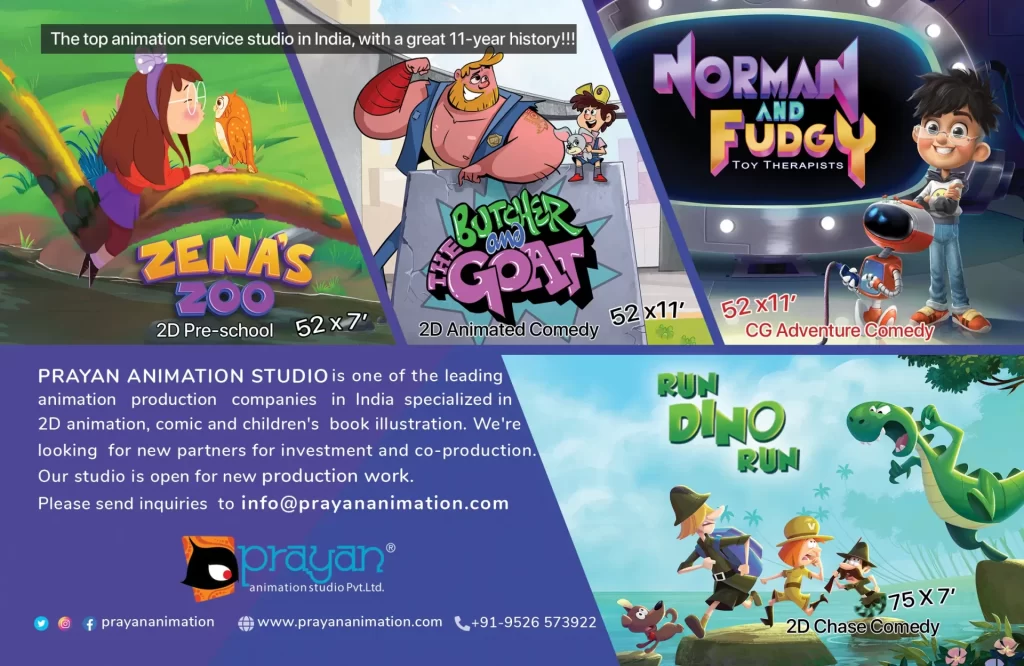
Want more information? Get in touch with Prayan Animation Studio to learn how Prayan IP was developed in 2023-24 and see examples like Norman And Fudgy Toy Therapists (Genre-Adventure Comedy, Duration-52×11′), Zena’s Zoo (Genre-Adventure Drama, Duration-52×11′), The Adventure of Norman And Fudgy- Hero for Toys (Genre-Super Hero Adventure, Duration-52×7′), The Jelly Bean Show (Genre-Adventure Educational, Duration-76×7′), Monty & Camy -The Mysteries of Nivood (Genre-Mystery, Adventure, Comedy Duration-104×3.5′), Butcher and The G.O.A.T (Genre-Action Comedy, Duration-52×11′), Run Dino Run (Genre-Chase Comedy, Duration-72×7’) etc.
Discover the pulse of the entertainment industry as the Asia TV Forum (ATF) cordially invites you to Singapore this December. Asia is rapidly ascending as the epicenter of entertainment content growth. Seize this chance to dive into the heart of content success.
Connect with a vibrant community of Asia Pacific buyers and influential figures within the industry. Collaborate, promote, and distribute content effectively in this burgeoning market.
ATF Online+ is your key to sparking interest, generating inquiries, and creating a buzz before and after the event. The world’s gaze is fixed on Asia as the future of entertainment content unfolds.
Event Details:
Date: December 8, 2023
Venue: Marina Bay Sands, Singapore
Registration:
Register now at ATF Registration to secure your spot!
Why Exhibit at ATF:
Global Exposure
Showcase your content to global media professionals.
Gain unparalleled visibility with leading publications’ media presence.
Tailored Solutions
Highlight your brand through customized advertising and sponsorship opportunities.
Choose stand packages tailored to your needs and budget for a premium showcase.
Networking
Dedicated spaces for meetings and partnership building.
Connect with industry representatives from every major region.
Lead Generation
Year-round leads generation through a comprehensive marketing approach.
Access resources and connect with the right peers to enrich your business.
Conclusion:
The Asia TV Forum & Market is the go-to event for TV and entertainment enthusiasts. Whether you’re a seasoned professional or an aspiring content creator, ATF promises a diverse and enriching experience.
Save the date, register early, and become a part of this immersive event shaping the future of television and entertainment. Don’t miss the chance to embrace innovation and creativity firsthand. See you at ATF 2023!
Kidscreen stands as the foremost international trade publication dedicated to fulfilling informational requirements and catering to the interests of professionals within the realm of children’s entertainment.
Every year, leaders, innovators, and creatives from the international children’s entertainment sector come together for the Kidscreen Summit. The summit provides a forum for networking, gaining knowledge about market trends, and investigating fresh prospects. Covering a wide range of subjects related to the rapidly growing children’s content sector, the Kidscreen Summit includes everything from digital media and licensing to live-action and animated television.
Important Dates:
Event Dates:
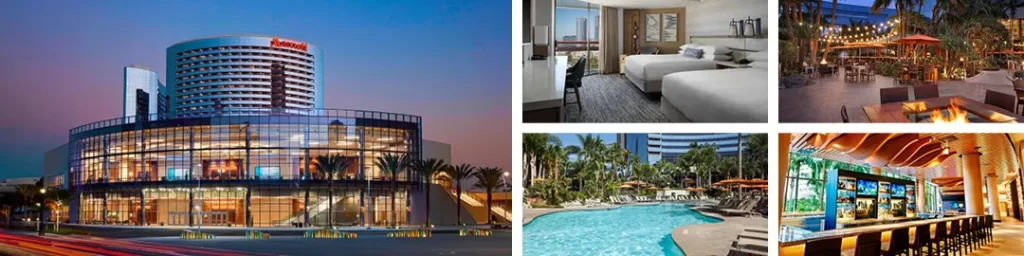
Kidscreen Summit 2024 is set to take place from February 4 to February 7, 2024, at Marriot Marquis San Diego. Mark your calendars for this exciting event that promises to be a hub of inspiration and collaboration.
Registration Dates:
Early Bird rate (expires Nov 24)
Early Bird registration typically offers cost savings, making it advisable for industry professionals to secure their spots early. Keep an eye on the official Kidscreen Summit website for specific details and updates on registration.
What to Expect:
Access partners and talent
Connect with everyone you want to work with in the future. Kidscreen Summit offers unrivaled access to leaders in the international kids’ entertainment industry. We bring together creators, buyers, and distributors of children’s programming for meaningful pitching and networking.
Learn from industry leaders
Gather practical insights into the business of children’s media from industry leaders and innovators. Engage in critical dialogue on issues that affect the industry in panels and roundtable discussions.
Fast-track your business
Through facilitated networking sessions such as Speed Pitching, Cocktails with…, Lunch & Learn Brainpick, and Pitch Prep, it’s easy to connect with potential partners and investors who can propel your business forward, The Kidscreen Summit 2024 is going to be a huge deal for people who care deeply about making great media for kids. By participating, professionals in the field can influence the future of children’s media and learn about the newest developments in the field. Mark your calendars, register early, and get ready to be inspired by this gathering of leaders in the field of children’s entertainment.
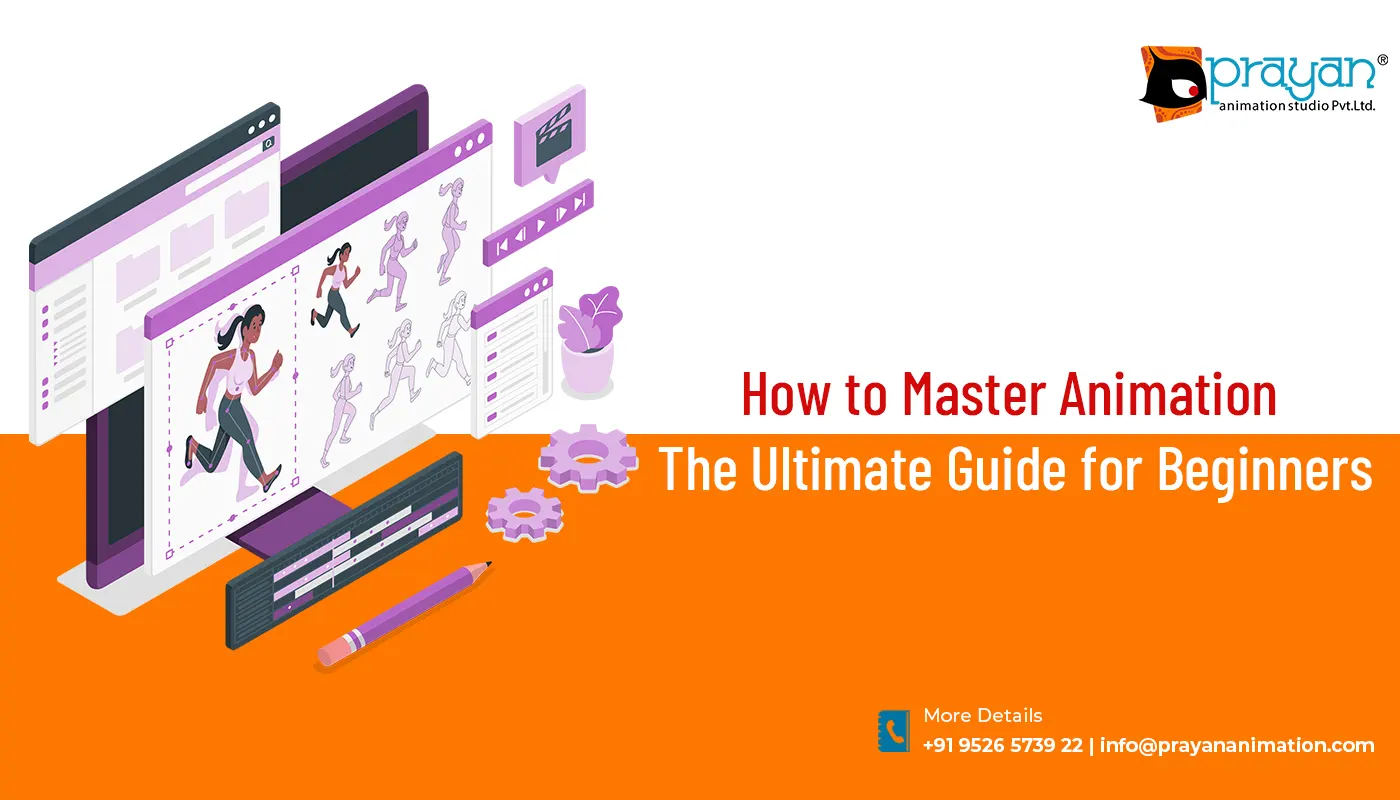
For many generations, animation has captivated audiences everywhere. This artistic medium has evolved and continues to inspire, from traditional hand-drawn animations to cutting-edge computer-generated works of art. You’ve come to the correct place if you’re a novice looking to explore the world of animation. With the help of this comprehensive tutorial, you may take the first steps on your path to becoming an animation master.
Recognize the Fundamentals
Spend time learning the basics of animation before going into the technical parts. Create awareness about the various forms of animation, including 2D, 3D, stop-motion, and motion graphics. To appreciate the many styles and approaches employed, watch a variety of animated films and television series.
Choose Your Animation Software
Animation software is the backbone of your journey as an animator. There are various options available, each with its own strengths and purposes. For 2D animation, consider software like Adobe Animate, Toon Boom Harmony, or OpenToonz. For 3D animation, popular choices include Autodesk Maya, Blender, and Cinema 4D. Start with user-friendly software that matches your needs and gradually explore more complex tools as you progress.
Master the Principles of Animation
To create compelling and lifelike animations, learn and practice the 12 principles of animation, as introduced by Disney animators Ollie Johnston and Frank Thomas. These principles include:
Squash and Stretch: Gives the illusion of weight and flexibility to objects or characters.
Anticipation: Prepares the audience for an action, making it more believable.
Staging: Presents an idea or action clearly and distinctly.
Straight Ahead Action and Pose to Pose: Two different approaches to animating movement.
Follow Through and Overlapping Action: Ensures that different parts of a character move at different rates.
Slow In and Slow Out: Adds more realism by gradually accelerating and decelerating an action.
Arcs: Animate in smooth arcs for natural movement.
Secondary Action: Adds depth and interest to the primary action.
Timing: Determines the speed and pace of an action.
Exaggeration: Enhances the appeal and expressiveness of characters and actions.
Solid Drawing: Conveys a three-dimensional illusion on a two-dimensional surface.
Appeal: Ensures that characters are visually appealing and captivating.
Start Simple, Practice Regularly
Begin with simple exercises to grasp the basics of animation. Create bouncing balls, pendulum swings, and basic character movements. Repetition is key to improving your skills, so practice regularly. Be patient with yourself; animation requires time and dedication to master.
Study Anatomy and Movement
Understanding anatomy is crucial for animating believable characters. Study the human and animal anatomy to give your creations a sense of realism. Observe how people and animals move in real life or by watching reference videos. This knowledge will enhance the fluidity and naturalness of your animations.
Join Animation Communities
Immerse yourself in the animation community by joining forums, and social media groups, and attending animation events or workshops. Sharing your work and receiving feedback from experienced animators can be incredibly beneficial. Collaborating with other animators can also lead to valuable insights and inspiration.
Learn from Online Resources
The internet is a treasure trove of animation tutorials and courses. Platforms like YouTube, Udemy, and Coursera offer a wide range of animation lessons for beginners and advanced learners alike. Take advantage of these resources to continuously expand your knowledge and skills.
Analyze and Deconstruct Animations
As you progress, analyze animations created by professionals in the industry. Break down scenes and movements to understand how they were crafted. Pay attention to pacing, timing, and the application of the animation principles. This practice will help you learn from the best and develop your unique style.
Build a Strong Portfolio
Create a portfolio showcasing your best animation works. Potential employers or clients will often judge your abilities based on your portfolio. Include a variety of animations to demonstrate your versatility and skills in different styles and techniques.
Embrace Feedback and Keep Improving
Finally, be open to feedback and critique. Constructive criticism is essential for growth as an animator. Embrace it with humility and use it to refine your work continually. Animation is a field where learning never truly ends, so remain curious, stay dedicated, and keep improving.
In conclusion, mastering animation is a journey that requires patience, passion, and perseverance. Armed with the right knowledge, tools, and a lot of practice, you can bring your imagination to life and create mesmerizing animations that captivate audiences worldwide. So, start animating, and let your creativity take flight!
Breaking into the animation industry can be challenging, but with dedication, creativity, and persistence, you can turn your passion for animation into a successful career. Here is a step-by-step instruction manual to get you started.
Develop Your Skills:
Begin by mastering the fundamentals of animation. Study traditional art, drawing, and storytelling techniques. Familiarize yourself with industry-standard software such as Adobe Creative Suite (especially After Effects, Illustrator, and Photoshop) or other animation software like Toon Boom Harmony.
Create a Portfolio:
Build a strong and diverse portfolio showcasing your best animation work. Include a range of styles and techniques to demonstrate your versatility. Your portfolio could contain character animations, motion graphics, storyboards, and any other relevant work.
Educate Yourself:
Pursue formal education or take online courses and workshops to enhance your skills. Look for animation programs or degrees from reputable institutions or online platforms.
Networking and Connections:
Attend animation events, conferences, and workshops. Networking can help you meet industry professionals, potential mentors, and like-minded individuals. Engage with the animation community online through forums and social media platforms.
Internships and Entry-Level Jobs:
Consider applying for internships or entry-level positions at animation studios, production houses, or game development companies. Even if it’s an unpaid or low-paid opportunity, it can provide valuable experience and connections.
Collaborate on Projects:
Join or initiate animation projects with other aspiring artists. Collaboration allows you to learn from each other, share ideas, and build your network.
Personal Projects:
In addition to collaborating, work on your own passion projects. Creating short animated films or series can showcase your storytelling abilities and your dedication to seeing a project through from start to finish.
Be Open to Feedback:
Accept constructive criticism and use it to improve your work. Feedback from experienced animators can be invaluable in helping you grow as an artist.
Stay Updated:
Keep up with industry trends, software updates, and new animation techniques. Staying informed will give you a competitive edge in the job market.
Persistence and Perseverance:
Breaking into the animation industry can take time. Be prepared for rejection and setbacks, but don’t let them discourage you. Keep honing your skills, building your portfolio, and seeking opportunities.
Online Presence:
Create a professional online presence through a website or social media channels. Showcase your work and engage with the animation community to gain visibility.
Apply to Job Openings:
Regularly check job boards, animation company websites, and online forums for animation job openings. Tailor your applications to each opportunity and demonstrate how your skills align with the specific needs of the position.
Remember, success in the animation industry requires a combination of talent, hard work, and perseverance. Keep pushing yourself to improve and create, and eventually, you’ll find your place in the exciting world of animation.
For small animation studios looking to make their mark in the industry, attending animation festivals can be a game-changer. These events offer an invaluable platform to showcase talent, network with industry professionals, secure potential deals, and gain inspiration from the latest trends and innovations. However, with numerous animation festivals around the world, choosing the right one for your small studio can be a challenging decision. In this blog, we’ll explore three prominent animation festivals—MIPCOM, KIDSCREEN, and ANNECY—and help you determine which one aligns best with your studio’s goals and aspirations.
MIPCOM: The Global Content Market
MIPCOM, held annually in Cannes, France, is one of the most significant entertainment trade shows in the world. While it covers a wide spectrum of content, it is an essential event for the animation industry. MIPCOM attracts a vast array of international buyers, distributors, producers, and broadcasters, making it an excellent platform to pitch and sell your animation projects. This festival provides opportunities for small studios to engage in co-production partnerships, secure distribution deals, and gain exposure in the global market.
Pros:
Access to a diverse range of international buyers and decision-makers.
The potential to secure distribution deals and partnerships on a global scale.
Exposure to various media platforms, including television, streaming services, and digital content providers.
Cons:
High registration fees and associated costs may pose financial challenges for small studios.
The competition is fierce, with many established studios vying for attention.
KIDSCREEN: Where Kids Content Comes to Life
KIDSCREEN SUMMIT is a leading annual event dedicated to the children’s entertainment industry. Held in Miami, Florida, this festival attracts broadcasters, content creators, licensing executives, and animation producers from around the world. If your small studio focuses on children’s animation, KIDSCREEN offers a targeted platform to showcase your projects, build relationships with key players in the industry, and gain insights into the latest trends in children’s content.
Pros:
Focuses specifically on kids’ content, ensuring a relevant audience for your studio’s work.
Smaller and more intimate settings, facilitate easier networking opportunities.
Opportunities to participate in pitching competitions and gain recognition.
Cons:
Limited to children’s content, which may not suit studios with broader animation genres.
Location in Miami may involve significant travel expenses for international studios.
ANNECY International Animation Film Festival: Animation’s Mecca
ANNECY Animation Festival is one of the most prestigious animation festivals globally, taking place annually in Annecy, France. Celebrating the art of animation in all its forms, this festival showcases a diverse range of animated works, from short films to feature-length movies. ANNECY is a melting pot for animation enthusiasts, professionals, and studios from around the world. For small studios aiming to gain recognition and build relationships with influential players in the animation community, this festival offers a rich platform to do so.
Pros:
A revered event that attracts the crème de la crème of the animation industry.
Opportunities to screen your studio’s work alongside esteemed international productions.
Seminars, workshops, and masterclasses by industry experts provide valuable learning opportunities.
Cons:
As a highly prestigious festival, the competition for attention can be intense.
Limited emphasis on business-related aspects, such as co-production deals and distribution opportunities.
Conclusion
Choosing the right animation festival for your small studio ultimately depends on your objectives and the nature of your projects. MIPCOM offers access to a global market and potential distribution deals, while KIDSCREEN focuses on the children’s entertainment sector. On the other hand, ANNECY is a pinnacle for animation enthusiasts and offers invaluable exposure to industry influencers. Assess your studio’s long-term goals, target audience, and budget constraints before making a decision.
If you have the resources, attending multiple festivals can widen your reach and provide diverse opportunities. Regardless of the event you choose, participating in animation festivals is an investment in your studio’s future. The chance to connect, collaborate, and be inspired by fellow artists and industry leaders can propel your small studio to new heights, making your animation dreams a vibrant reality.
Animation is an extraordinary art form that has captivated audiences for decades. From classic hand-drawn animations to the cutting-edge computer-generated imagery (CGI) we see today, animation brings characters and stories to life in ways that traditional filmmaking cannot. However, have you ever wondered about the secrets behind the creation of these animated masterpieces? In this blog, we will take you on a behind-the-scenes journey to uncover the hidden techniques, creativity, and dedication that go into making animation magic happen.
Conceptualization and Storyboarding
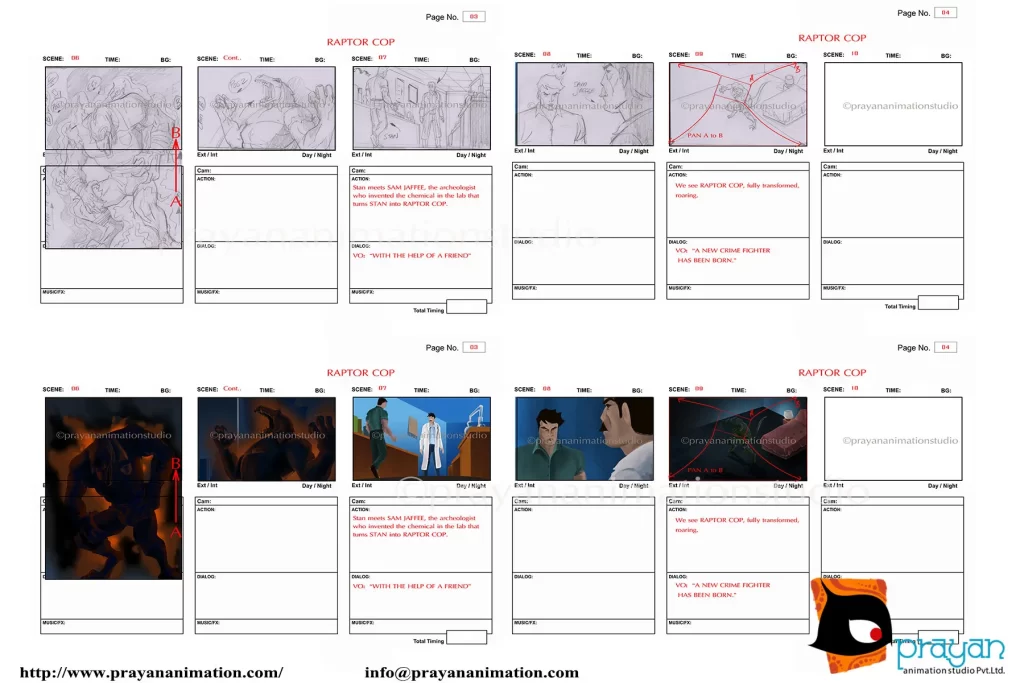
Every great animated film starts with an idea. Whether it is a whimsical tale or an epic adventure, the first step is to develop a compelling story. Animators work closely with writers, directors, and storyboard artists to visualize the narrative. Storyboarding is a crucial stage where key scenes are drawn, providing a blueprint for the animation process. These sketches help determine camera angles, character movements, and overall composition, ensuring that the story unfolds seamlessly.
Character Design and Development
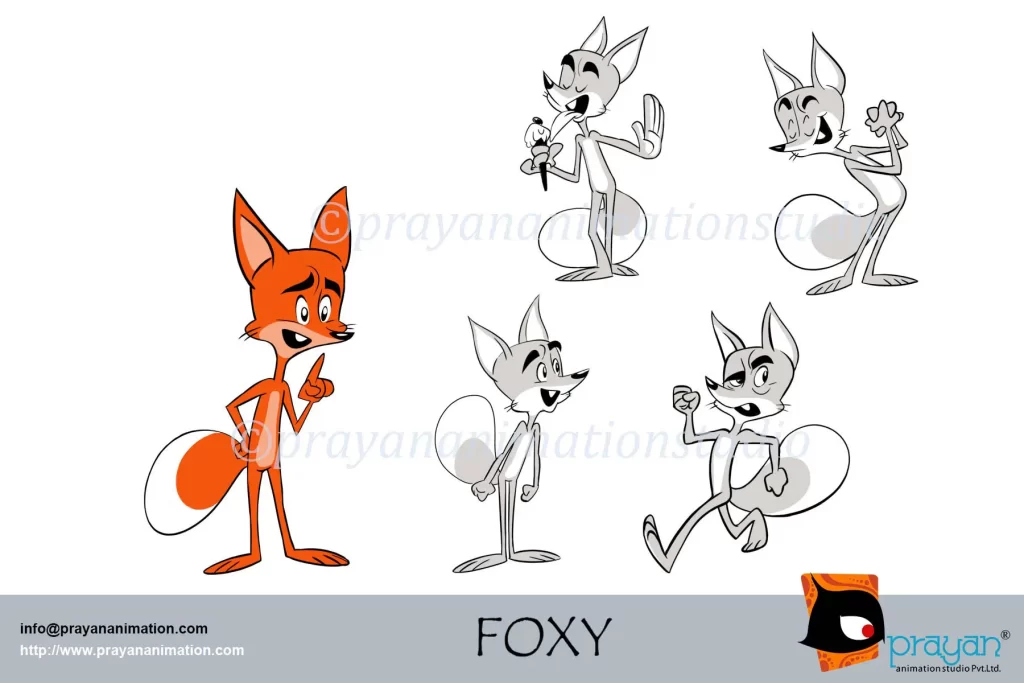
One of the most critical aspects of animation is the creation of memorable characters. Animators collaborate with concept artists to bring these characters to life. They consider physical attributes, personalities, and backstories, paying attention to the smallest details. Each character’s design reflects their individuality, making them relatable and engaging for the audience. From Mickey Mouse to Elsa, character design is an essential component that leaves a lasting impression.
Animation Techniques
Animation involves manipulating objects or characters in a sequence of frames to create the illusion of motion. While the techniques have evolved over time, the principles remain the same. Traditionally, hand-drawn animation required artists to painstakingly draw each frame, while stop-motion animation involved physically moving objects between frames. Nowadays, digital animation dominates the industry. Techniques like 2D and 3D animation, motion capture, and rotoscoping have revolutionized the field, allowing for more complex and visually stunning animations.
The Role of Technology
Advancements in technology have significantly impacted the world of animation. Computer-generated imagery (CGI) has opened up new possibilities, offering more realistic visuals and seamless integration of live-action footage with animated elements. Software like Autodesk Maya, Adobe Animate, and Pixar’s proprietary tools enable animators to create intricate worlds and stunning effects. However, despite the reliance on technology, the key to successful animation remains the skill and creativity of the artists behind the screens.
Sound Design and Music
Animation isn’t just about visuals; it’s also about sound. Sound designers and composers play a crucial role in enhancing the animation experience. From creating sound effects to composing original scores, they breathe life into the visuals, adding depth and emotion to every frame. The right sound design and music can evoke powerful emotions, making the animated world more immersive and captivating.
Collaboration and Iteration
Animation is a highly collaborative process that involves the collective effort of various teams. From animators and storyboard artists to voice actors and editors, each person contributes their unique talents to bring the project to fruition. This collaborative nature allows for constant iteration and improvement. Animators review and refine their work based on feedback from colleagues and directors, ensuring that every frame is polished and aligns with the artistic vision.
Conclusion
Animation is a remarkable art form that seamlessly blends creativity, technology, and storytelling. The secrets behind animation lie in the meticulous planning, character development, animation techniques, technological advancements, and collaborative efforts of talented individuals. The magic on the screen is a result of countless hours, attention to detail, and a deep passion for the craft. So, the next time you watch an animated film or series, take a moment to appreciate the incredible work happening behind the scenes, giving you the gift of a fantastical and unforgettable visual experience.
France has long been a hub for artistic and creative expression, and its animation industry is no exception. The country boasts a rich history of animation, dating back to the early 20th century. Today, French animation companies are recognized globally for their innovation, storytelling prowess, and captivating visual style. In this blog, we will explore the top 10 animation studios in France that have consistently pushed the boundaries of animation and produced world-class content.
Illumination Entertainment is one of the most well-known animation studios in France. Renowned for creating hit franchises like “Despicable Me,” “The Secret Life of Pets,” and “Sing,” this studio is a powerhouse of creativity and entertainment. With a focus on family-friendly stories and endearing characters, Illumination has won the hearts of audiences worldwide.
Studio Ghibli (French Branch)
Originating from Japan, Studio Ghibli needs no introduction to animation enthusiasts. The French branch of Studio Ghibli has played a crucial role in producing French-language versions of their iconic films. Their work includes masterpieces like “Spirited Away,” “My Neighbor Totoro,” and “Princess Mononoke,” which have left a profound impact on both children and adults.
Mac Guff, now a part of the Illumination Mac Guff group, has made significant contributions to the animation industry. They are known for their exceptional visual effects and high-quality animation work. The studio has been involved in various international projects, including “The Lorax” and “Despicable Me 2,” showcasing their technical expertise and creativity.
Xilam Animation is synonymous with vibrant and quirky animation. The studio has garnered a reputation for its 2D animation style, evident in series like “Oggy and the Cockroaches,” “Zig and Sharko,” and “Mr. Magoo.” With a knack for humor and inventive storytelling, Xilam has established a global following.
TeamTO
TeamTO is an innovative animation studio that has produced a diverse range of content. From the visually stunning “Angelo Rules” to the 3D animated “Mighty Mike,” the studio consistently delivers top-notch storytelling and animation quality. TeamTO’s ability to adapt to various genres sets them apart as a versatile and dynamic animation studio.
Miyu Productions
Miyu Productions is a French animation studio that stands out for its artistic approach to storytelling. With a focus on short films, music videos, and commercials, the studio has garnered critical acclaim for its unique and visually appealing creations. Miyu Productions fosters emerging talent and encourages experimental animation styles.
Prima Linea Productions
Prima Linea Productions is a studio that embraces diverse animation techniques, ranging from 2D to stop-motion. Their exceptional work can be witnessed in projects like “The Red Turtle,” “Louise by the Shore,” and “The Prodigies.” The studio’s dedication to pushing the boundaries of animation has earned them international recognition.
Futurikon is a studio known for its socially conscious and educational animation. Their iconic series “Minuscule” showcases a mix of CGI and live-action, exploring the world of insects in a charming and captivating manner. Additionally, Futurikon’s projects often address important themes and global issues, making them a respected animation studio worldwide.
Laika/house (French Branch)
Laika/house, a French branch of the renowned American animation studio Laika, has contributed significantly to the animation landscape in France. Their innovative stop-motion films, like “Coraline” and “Kubo and the Two Strings,” have received critical acclaim and praise for their meticulous craftsmanship.
Folimage is a studio celebrated for its artistic and visually stunning productions. With an emphasis on originality and creativity, their portfolio includes the Academy Award-nominated “A Cat in Paris” and the acclaimed “Phantom Boy.” Folimage continues to produce thought-provoking and captivating content.
Conclusion
The animation studios in France have demonstrated time and again that they are at the forefront of creativity, storytelling, and artistic expression. From beloved family-friendly franchises to thought-provoking short films, these studios have consistently produced world-class animation that resonates with audiences globally. As the animation industry continues to evolve, we can expect even more groundbreaking work from these esteemed studios in the future.
Leave your contacts and our managers will contact you soon.
We can help you.
{{final_results}}
If you ever have any questions that require immediate assistance, Please call us or contact through Whatsapp +91 952 657 3922 Skype ID: prayananimation
Quote
Get A Quote
Success
Thank you very much for contacting Prayan Animation Studio. Our team will contact you as soon as possible.
Success
Thank you very much for contacting Prayan Animation Studio. Our team will contact you as soon as possible.
Success
Thank you very much for your valuable suggestion on Prayan Animation Studio.
Subscribe to our Newsletter
Thank You
Your subscription has been confirmed. You've been added to our list and will hear from us soon.






 We can help you.